


On this page
- Can a hair mask actually repair damage?
- How to use a hair mask for damaged hair
- How often to use a hair mask for damaged hair
- Protein or moisture: what your damaged hair is asking for
- How long should you leave a hair mask on?
- Do you shampoo after a hair mask?
- Ingredients that earn their place
- How to choose a hair mask for damaged hair
- Seal the results after your hair mask
- Mistakes that undo the treatment
A hair mask for damaged hair does three quiet things at once. It coats the strand so combs stop tearing, it adds moisture that flexible hair holds better than brittle hair, and it buys time between the chemical services that caused the damage. That is the honest job description. Researchers keep testing single-fibre chemistry that reconnects broken bonds, but those studies run in labs, and nothing on a drugstore shelf performs that trick yet (a 2025 study on thiol cross-linking).
So this guide teaches the technique around that limit: how long to leave the treatment on, how often to repeat it, how to tell protein from moisture, and what to do in the ten minutes after rinsing, because that last step is where most people quit early. A weekly hair mask for damaged hair only pays off when the routine survives contact with real life.
Can a hair mask actually repair damage?
A working hair mask for damaged hair gives you slip, shine, and fewer snapped fibres during combing. Less friction means less breakage, and breakage is what makes thin ends look thinner every month. Those benefits are real enough to feel in the first week.
What masking cannot do is rebuild. Once a fibre has left the scalp it is dead material, so a split end never heals itself under a cream, and no jar fuses it back.
The repair language on labels sells reconstruction while the formula coats, fills, and smooths. Both effects feel great. Only one of them is temporary.
Treat the whole habit as damage control rather than damage reversal. The wash matters just as much, which is why our best shampoo for damaged hair guide starts with the cleansing step before any treatment lands on the strand.
How to use a hair mask for damaged hair
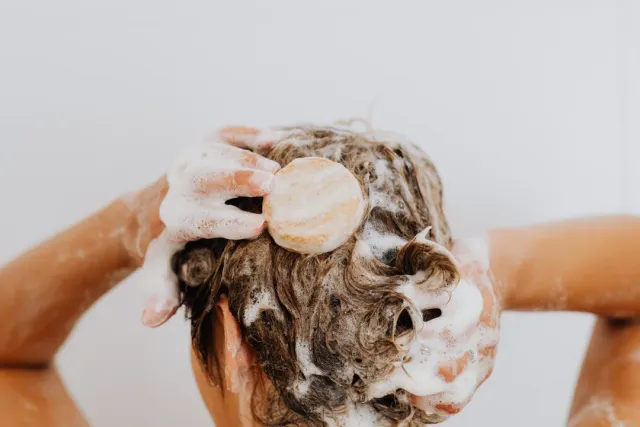
Technique decides whether the jar earns its price. A hair mask for damaged hair works best on clean, damp hair, and the sequence below takes about fifteen minutes from towel to final rinse.
- Wash first, then squeeze. Squeeze the water out with your hands until the hair stops dripping. A treatment pushed into soaking hair mostly washes straight back out.
- Section with a wide-tooth comb. Two or three sections are plenty, and detangling now prevents you from dragging a loaded comb through fragile lengths later.
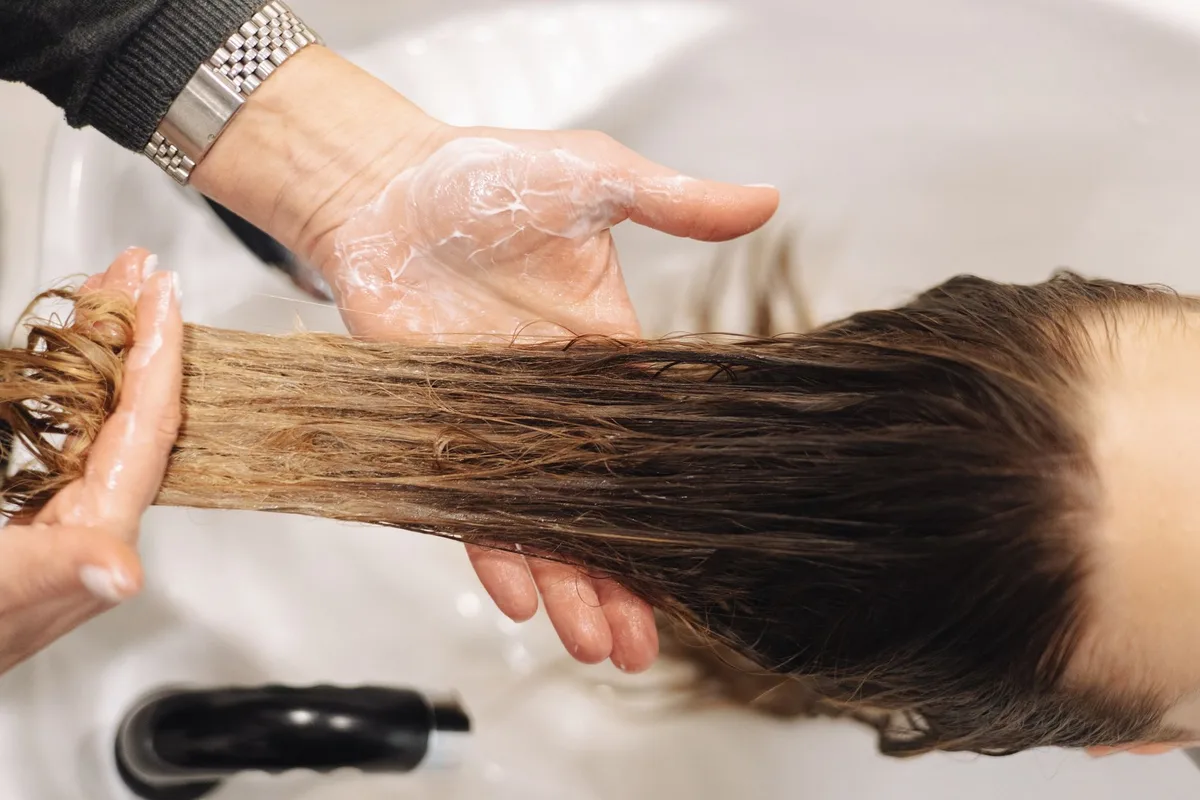
- Apply the hair mask for damaged hair from mid-lengths down. Keep the product off the scalp, where it has nothing to do but flatten roots, and start a few centimetres below the ear line where damage concentrates.
- Wait per the label, usually 5 to 20 minutes. Set a timer. The formula finishes its coating work inside that window, and extra minutes rarely add anything but cold shoulders. Nobody needs a hair mask for damaged hair parked on the head for an hour.
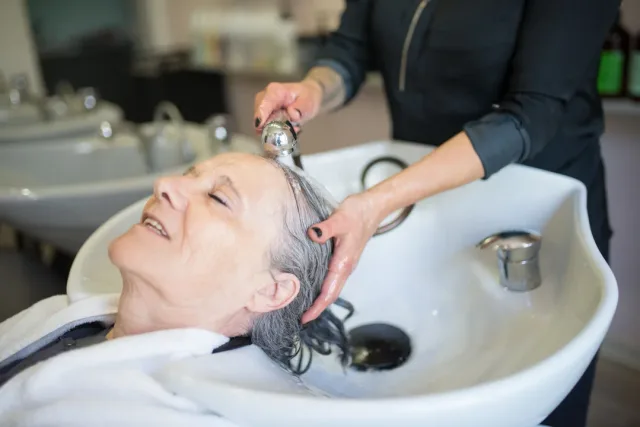
- Rinse with cool water. Cool water closes the cuticle flush against the strand, so the slip you paid for stays locked in rather than swirling down the drain.
How often to use a hair mask for damaged hair
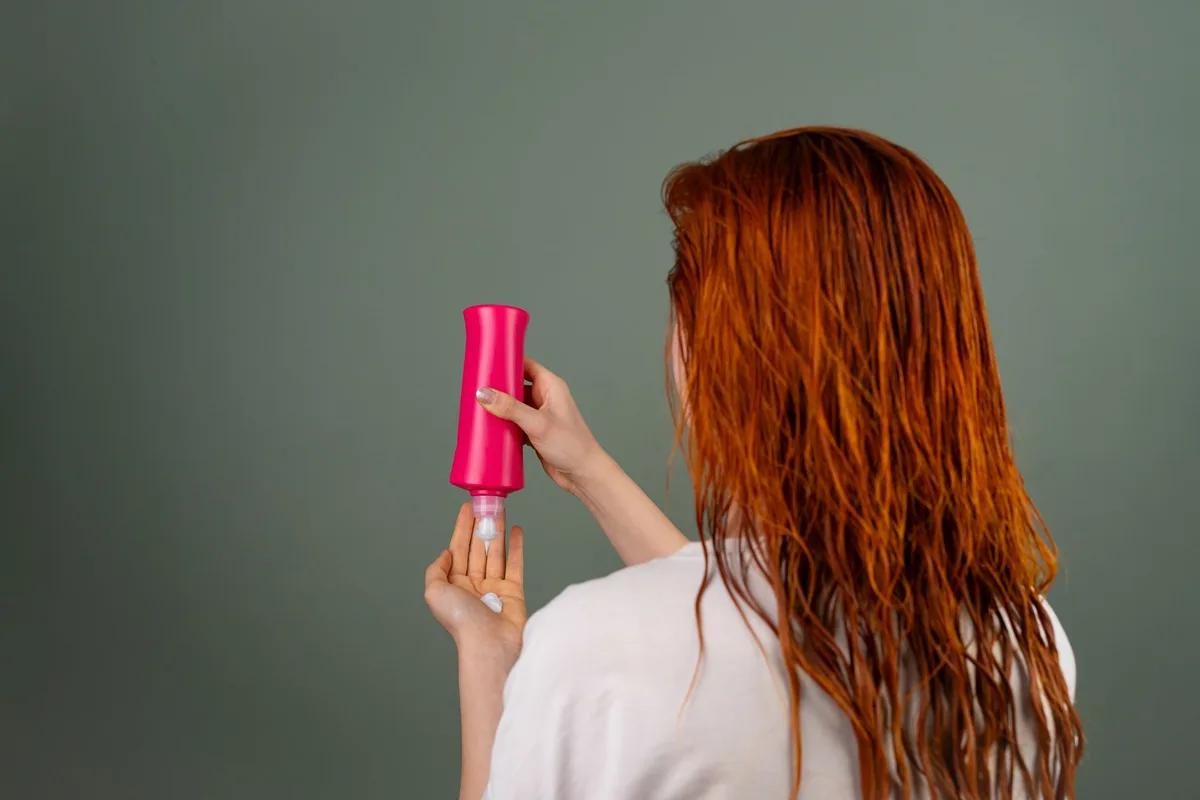
For most people, a hair mask for damaged hair belongs to the weekly routine: one session on wash day, then ordinary conditioner on the days between. Frequency scales with damage, not with mood.
| Hair situation | Mask frequency | Why it lands there |
|---|---|---|
| No chemical services, everyday wear | Once a week | Maintenance level slip and moisture |
| Bleached or regularly heat-styled | Twice a week | The cuticle keeps taking hits between washes |
| Fine or easily weighed down | Every other week | Rich formulas flatten roots quickly |
| Fresh relaxer or color, stylist-directed | As your stylist advises | The service keeps affecting the fibre for weeks |
Rinse-out conditioner and the weekly hair mask for damaged hair are not competitors. Conditioner is the short daily step that detangles in the shower; the treatment is the denser product you leave on longer, with more conditioning agents packed into the same bottle.
Protein or moisture: what your damaged hair is asking for
Damaged hair fails in two different directions, and a hair mask for damaged hair should match whichever one you have. Hair that stretches like chewing gum and feels mushy when wet wants protein. Hair that snaps quickly with no stretch wants moisture and oils instead; a light oil like the Elseve Extraordinary Oil layered over a hair mask for damaged hair covers that job.
The stretch test takes 10 seconds: pull a shed strand gently. If it gives before it breaks, reach for the moisture-rich jar; if it snaps almost immediately, a protein treatment is the better fit. Overdo protein though, and stiffness appears within days, which is the classic sign to switch back. Growth support is a separate job entirely; for that, see how our biotin shampoo guide handles the scalp side of the equation.
How long should you leave a hair mask on?
Most labels land between 5 and 20 minutes, and that range is not marketing poetry. The formula needs a few minutes to spread and coat, then returns nothing extra for the extra half hour you spend scrolling on the bathroom floor.
Thick protein-heavy jars often ask for the longer end of the range. Light moisture masks and milky treatments usually finish sooner, and leaving them overnight changes little except how your pillowcase feels in the morning. If you treat a hair mask for damaged hair as a timer ritual instead of a background activity, results show up faster than the calendar suggests.
Do you shampoo after a hair mask?
No. Shampoo comes first, the hair mask for damaged hair comes second, and after rinsing it you stop. A second shampoo strips the conditioning film you just paid for, which undoes the entire session in thirty seconds.
The one exception is heavy pre-wash oiling: if you saturated the scalp with oil before washing, a quick scalp-only shampoo after the treatment removes the residue while the lengths keep their coating. Outside that case, water and patience are enough after a hair mask for damaged hair. The same logic applies between wash days, where our gentle clarifying shampoo belongs once a month rather than in every session.
Ingredients that earn their place
Turn the tube around and read for three groups rather than marketing nouns. Humectants like glycerin and panthenol pull water toward the strand, which helps a hair mask for damaged hair feel plush for a day or two. Plant oils such as argan and coconut add the lubrication that keeps combs gentle.
Silicones deserve better than their reputation. A 2025 review in Skin Appendage Disorders describes how they form a film over the shaft, cut friction, and slow moisture loss, exactly the behaviour a wrecked cuticle needs (silicone review). If buildup worries you, that is an argument for an occasional clarifying wash, not for avoiding silicones forever. A silicone-rich hair mask for damaged hair is not a betrayal of the natural routine.
How to choose a hair mask for damaged hair
Choosing a hair mask for damaged hair starts with the damage, not the shelf position. Bleached hair usually wants a richer formula with some protein in it, while fine damaged hair does better with lighter moisture that will not glue the strands together by noon.
Coarse, dry, or curly hair tolerates heavier butters and oils without complaint. Recently colored hair benefits from color-minded formulas, though the safest bet remains checking that the mask fits your actual routine: the best hair mask for damaged hair is the one you will still open on a tired Wednesday.
Seal the results after your hair mask
The rinse is where most routines abandon the process. Hair opens up under water, and a mask leaves the strand soft but unprotected until something occlusive holds that moisture in. This is the step worth spending money on.
The after-mask trio compared
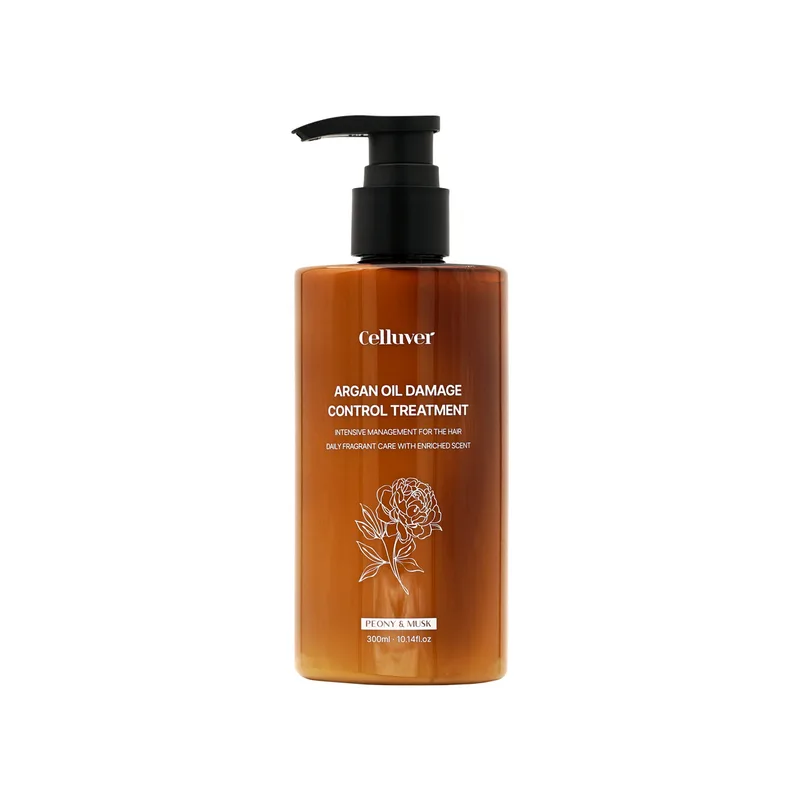
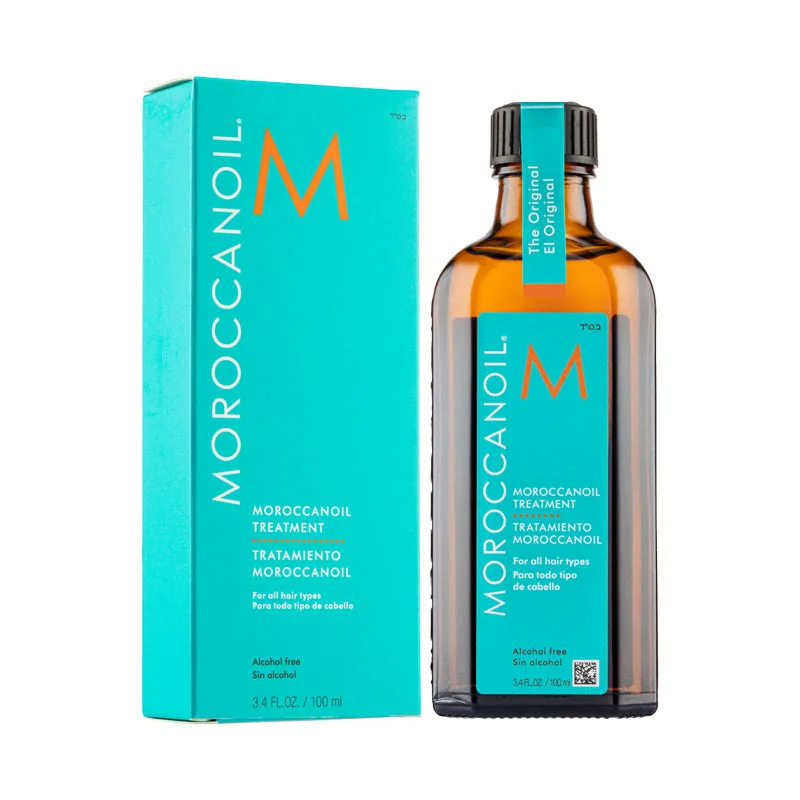
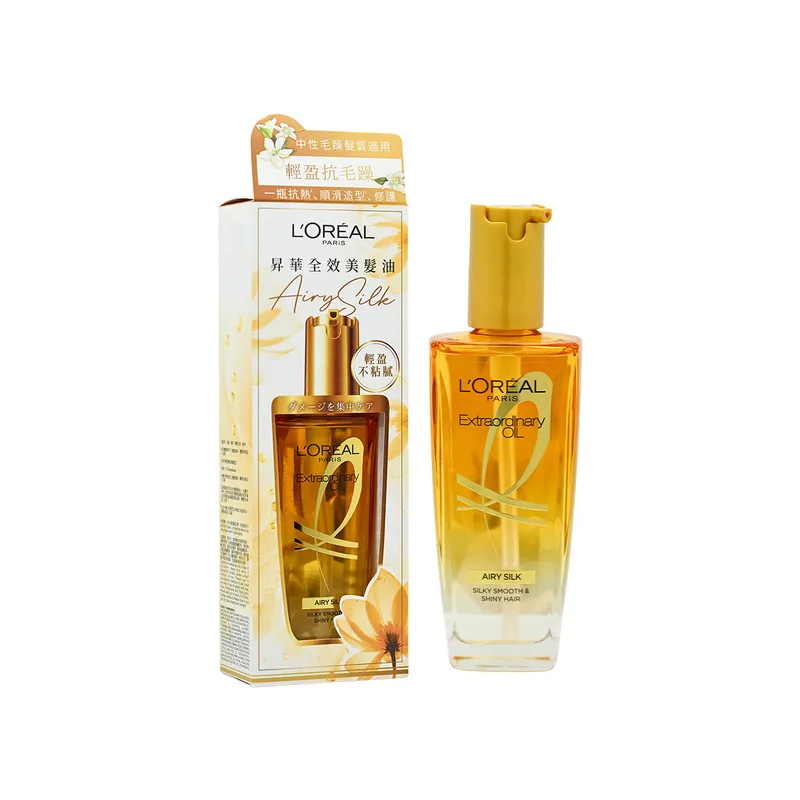
Prices checked on 6 October 2026 at Sasa, the retailer behind all three offers.
Oils and treatments keep working after the bathroom mirror fogs over. A few drops of the Celluver argan treatment pressed through damp ends smooth the cuticle down, lock in what the mask just deposited, and cut the frizz that shows up by afternoon. The seal is cheap, takes seconds, and turns a weekly treatment into something your hair still feels on day three. Sealing is what makes a treatment last past day one.
Once the mask is rinsed, these three keep the softness in the strand between wash days.
Mistakes that undo the treatment
Four habits undo a weekly treatment before the week is out, and none of them involve the formula. Skip the scalp: masks clog follicles and grease roots while doing nothing for the lengths that need them. Squeeze before applying, because diluted product is mostly water with an expensive label.
Do not mask over buildup either. Oils, dry shampoo, and hard water minerals leave a film that stops treatment from touching the strand, so that monthly reset keeps masks honest. Finally, protect the work between sessions: blot instead of rubbing, comb from the ends up, and keep hot tools on the lower half of their range, advice that dermatologists repeat for every kind of styling damage (AAD styling guidance).
A better hair mask habit fits into one sentence: clean hair, masked lengths, five to twenty minutes, cool rinse, sealed ends, once a week. That single line is the whole hair-mask routine. Everything else is customization you add once the basics stop surprising you.
Share this guide
Send it to someone who needs it, or discuss it with AI.
Frequently asked questions
How long should I leave a hair mask for damaged hair on?
Follow the label, which usually lands between five and twenty minutes. Longer is not better: after the formula has done its coating work, extra minutes mostly add nothing while your bathroom gets colder.
Can a hair mask for damaged hair repair split ends?
No. Hair past the scalp is dead keratin, so nothing fuses a split back together. Masks hide the fraying with slip and coating until your next trim removes it for real.
Should I use a hair mask for damaged hair before or after shampoo?
After. Shampoo clears oil and buildup so the mask can sit on the strand itself, and squeezed-out hair drinks far more of the formula than soaking-wet hair does.
How often should I use a hair mask for damaged hair?
Once a week suits most routines. Heavily bleached or heat-styled hair often handles two sessions a week, while fine hair usually prefers every other week so the strands stay light.
Is a hair mask for damaged hair the same as a rinse-out conditioner?
No. Conditioner is the short daily step that detangles in the shower; a mask is a denser treatment you leave on longer, usually once a week, with more of the conditioning agents packed in.