


On this page
The best shampoo for damaged hair cannot do what its bottle promises, and the short answer saves you money today. No shampoo repairs split ends permanently, because hair past the scalp is already dead. What the right bottle can do is clean gently, cut future breakage, and buy time between trims. Our editors explain the honest limits first, then the routine that works.
Why the best shampoo for damaged hair starts with scissors
Every repair claim meets one biological wall. Once hair leaves the scalp it cannot heal, so split fibers never fuse back together no matter the price tag. The best shampoo for damaged hair therefore plays defense: soft cleansing, slippery conditioning, and less snapping. Brands calling this repair sell hope in a bottle, and our shelf names it plainly.
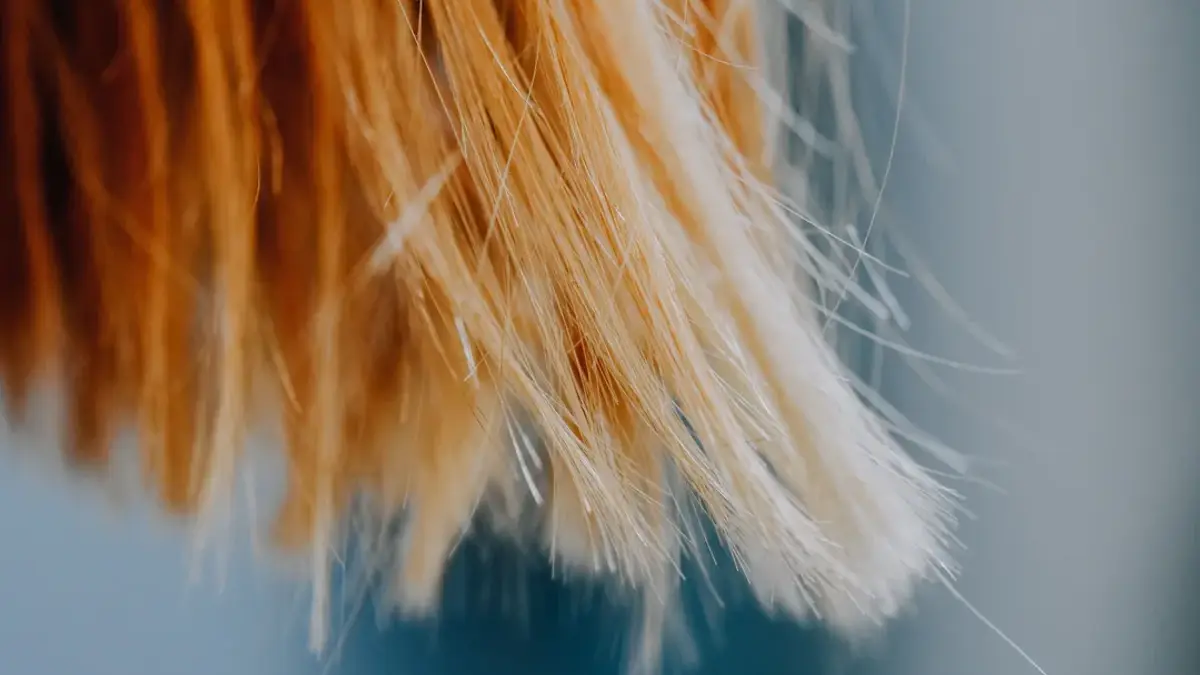
Damage arrives from familiar habits. Heat tools, bleach, tight buns, rough towel-rubbing, and skipped trims each carve the cuticle a little deeper. Dermatologists add that brushing 100 strokes daily causes splits rather than preventing them (styling without damage).
Knowing your own mix matters more than any bottle. Readers sorting shedding from breakage should also read our biotin shampoo guide.
The pattern is always the same across aisles. Marketing sells rebuilding while chemistry offers coating, and the gap between those words costs shoppers plenty. Our testing shelf keeps one rule taped inside the cabinet for the best shampoo for damaged hair: judge softness you feel, ignore rebuilding you cannot verify.
Can any shampoo repair split ends for good?
Short answer: no, and detailed reviews agree. Split ends cannot be permanently repaired, so trimming stays the only real fix. Smoothing polymers and silicones seal frayed edges until the next wash, which looks like healing for a few days. Prevention then beats every cure ever bottled.
Trimming on schedule changes everything. Most guides recommend every 8 to 12 weeks, sooner with white dots or splits climbing upward. Micro-trims stop small cracks traveling up the shaft like glass fractures. Pair each trim with gentler weeks after, and length finally accumulates instead of snapping away.
Best shampoo for damaged hair ingredients that matter
Read backs, not fronts. Sulfate-free bases clean without stripping already dry lengths. Conditioning silicones, especially amodimethicone, selectively coat damaged spots and cut friction on bleached hair, a published review confirms.
Proteins and panthenol add temporary body that rinses out next wash. None of this rebuilds keratin, and the best shampoo for damaged hair never claims otherwise on our shelf.
Shoppers chasing repair oils often add an argan ends treatment after washing for frizz control. The best shampoo for damaged hair pairs best with such leave-in habits rather than working alone. Keep these label rules on your phone for every bottle you meet:
- Sulfate-free base for dry, bleached, or color-treated lengths.
- Silicones welcome for slip, with a clarifying wash monthly.
- Proteins for temporary body, not permanent structure.
- No promises of regrowth, rebonding, or healed splits.
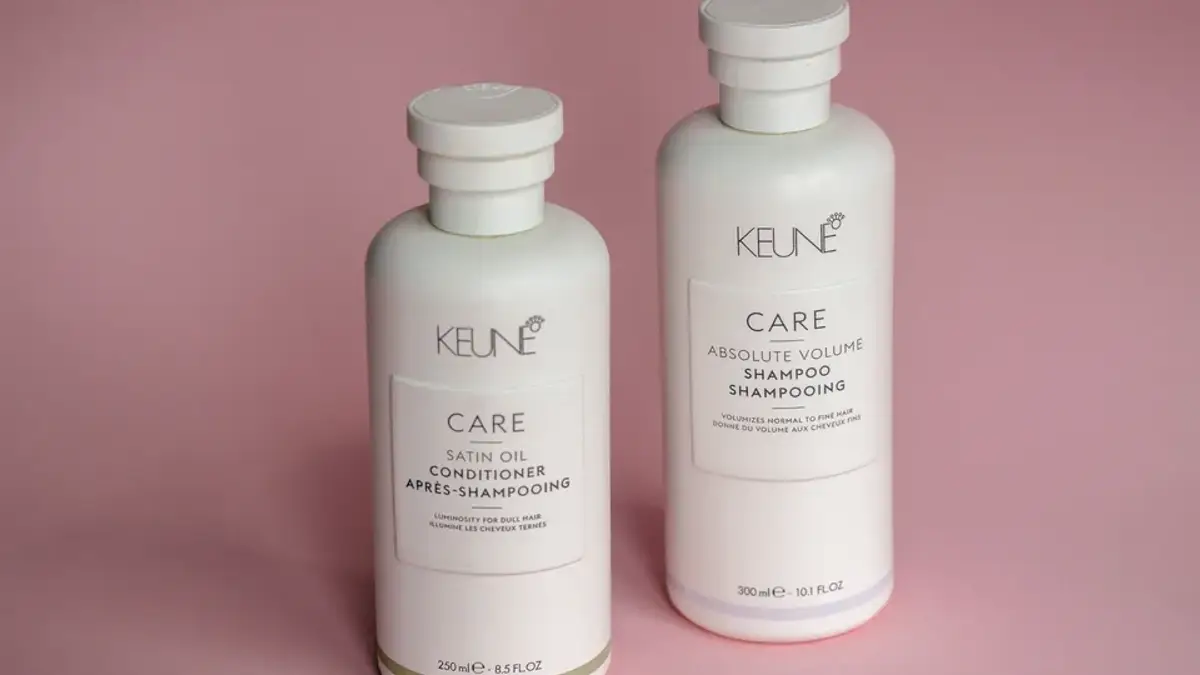
Price logic stays calm. A mid-priced best shampoo for damaged hair cleans like its costly rivals. Pay for gentleness you feel on day one. Our editors replace bottles by breakage counts, not by adjectives.
| Damage type | What truly helps | What never helps |
|---|---|---|
| Heat styling | lower heat, stop at just-dry | repair shampoo alone |
| Bleach and color | sulfate-free wash, regular trims | promises of rebonding |
| Tight styles, rubbing | loose looks, satin, wide-tooth comb | brushing 100 strokes |
| Split ends | trim, then smoothing oils | any rebuilding claim |
How should you wash damaged hair step by step?
Wet hair breaks easiest, so slow down the whole ritual for the best shampoo for damaged hair to do its quiet work. Detangle before water with fingers, then shampoo the scalp only and let suds run down the lengths. Squeeze, never rub, with the towel. A color-repair routine like honey hair oil care can follow on dyed lengths for extra slip.
- Detangle dry hair gently with fingers first.
- Shampoo the scalp twice, lightly and quickly.
- Condition mid-lengths to ends, then rinse cool.
- Blot with a soft towel, never wring or rub.
- Air-dry mostly, finishing with low heat only.
Sleeping setups matter more than people think. A satin pillowcase lets hair glide instead of grind all night. Loose braids beat tight buns for sleep. Small nights compound into visibly thicker ends within a season, and our hair-care library keeps collecting such quiet wins.
What routine prevents new damage?
Prevention beats every cure ever bottled, so build weeks that protect the best shampoo for damaged hair results. Space chemical appointments apart and never stack bleach over relaxer. Lower dryer heat one notch and stop at just-dry, not desert-dry.
Oil the ends before shampooing on wash days for a friction buffer. Trimming guides like Philip Kingsley split-end advice repeat the same spine: cut the damage, then guard the rest.
Our verdict on the best shampoo for damaged hair stays steady. Buy gentleness, schedule trims, sleep soft, and let honesty do the heavy lifting.
Trust the best shampoo for damaged hair that lists gentleness first. Share this best shampoo for damaged hair guide with anyone hoarding repair bottles. Keep this guide in our hair-care library and return when the next miracle bottle winks at you.
Frequently asked questions
What is the best shampoo for damaged hair?
A gentle sulfate-free shampoo matched to your damage type, plus regular trims. No shampoo permanently repairs split ends; the best ones clean softly and reduce further breakage.
Can shampoo repair split ends?
No. Hair past the scalp is biologically dead, so nothing fuses splits back together. Smoothing ingredients hide them until your next trim, which stays the only real fix.
Are silicones bad for damaged hair?
Not automatically. A published review finds silicones like amodimethicone target damaged spots and cut friction and breakage on bleached hair, though heavy buildup needs an occasional clarifying wash.
How often should damaged hair be trimmed?
Every 8 to 12 weeks in most guides, sooner when you see white dots or splits climbing the shaft. Micro-trims stop small splits from traveling upward.
Does brushing 100 strokes help damaged hair?
No, that old advice backfires. Dermatologists warn that over-brushing causes split ends; brush only to style, gently, preferably with a wide-tooth comb.