



On this page
Biotin shampoo promises thicker hair from a bottle, and the short answer draws a clear line. It cleans well and fattens each strand for a day, but it cannot feed follicles or regrow hair. Our editors explain what vitamin B7 really does, the lab-test warning nobody prints on the bottle, and what actually helps thinning hair.
Why biotin shampoo promises more than bottles deliver
Walk any hair aisle and biotin shampoo shouts from every shelf. The promise feels logical: biotin supports hair, so washing with it should grow more of it. Skin biology disagrees gently.
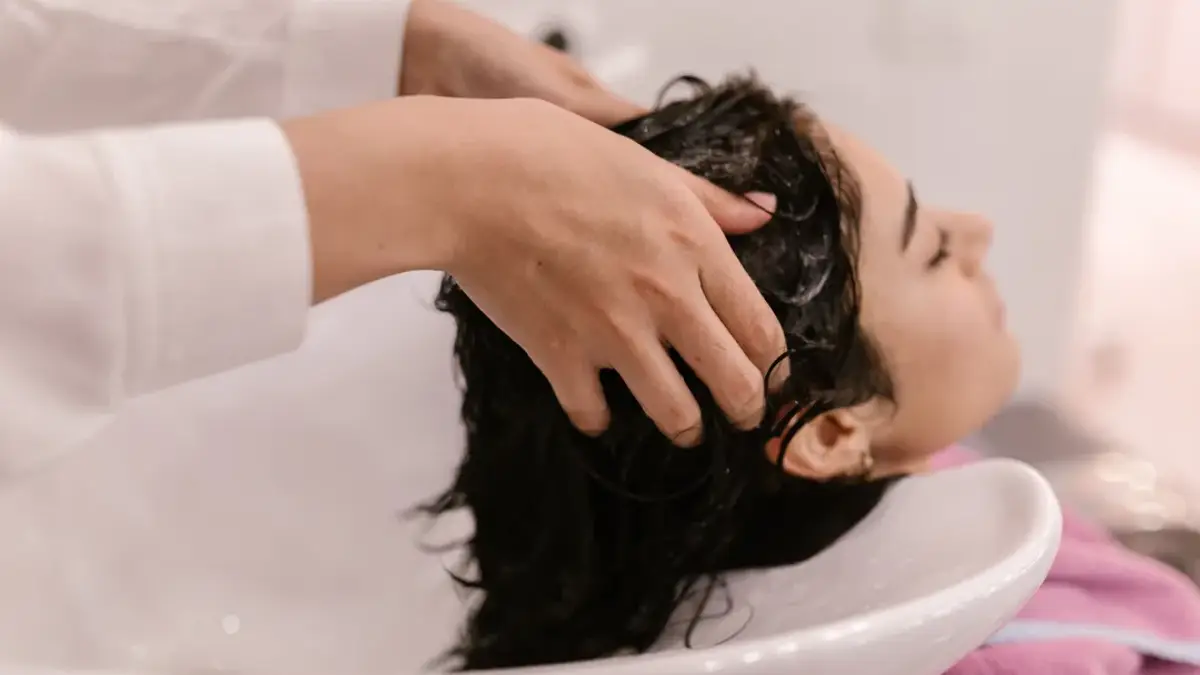
Shampoo touches your scalp for 2 minutes, then rinses away down the drain. In those 2 minutes it lifts oil and dirt beautifully, which is its real job. Feeding roots is not on the list, and honest labels never claim it is.
Shedding itself has many honest causes. Dermatologists list heredity, tight hairstyles, illness, childbirth, and nutrient gaps side by side (hair loss causes overview). A bottle cannot tell which one is yours.
That single fact decides this whole guide to biotin shampoo: match the care to the cause, starting with knowledge. For broader shelf sense, browse our growing hair-care library.
The pattern repeats across beauty aisles. A famous ingredient goes into a bottle, marketing stretches further than evidence, and shoppers pay for hope. Our testing shelf keeps one rule taped inside the cabinet: judge the product by what stays on your skin, not by what rinses off it.
What is biotin, and does your hair lack it?
Biotin is vitamin B7, a water-soluble helper your body uses in tiny amounts. Harvard cites an adequate intake of 30 micrograms daily for ages 19 and older, usually covered by everyday foods: eggs, nuts, meat, fish, spinach, and broccoli. True deficiency stays rare in people who eat normally. Most shoppers buying biotin shampoo already have enough biotin inside them.
Supplements tell a louder story. Bottles marketed for hair and nails can hold up to 650 times that adequate intake. More is not better here.
Dermatologists warn that excess selenium, vitamin A, and vitamin E can actually worsen shedding. Pills deserve the same honest math as shampoos.
Biotin shampoo ingredients: reading the label right
Flip the bottle before believing the front. A typical biotin shampoo lists water, cleansing agents, conditioning silicones, fragrance, and biotin far down where small doses live. That order tells the truth: you buy a cleanser with a guest ingredient, not a treatment. Biotin shampoo earns its place as a pleasant daily wash, never as medicine.
Keep these shelf rules on your phone for every biotin shampoo you meet:
- Biotin sits near the end of the list, after cleansers and silicones.
- Sulfate-free bases suit sensitive or color-treated scalps better.
- Fragrance hides near the middle; skip heavy perfume when itchy.
- No bottle should promise regrowth, density recovery, or stopped shedding.
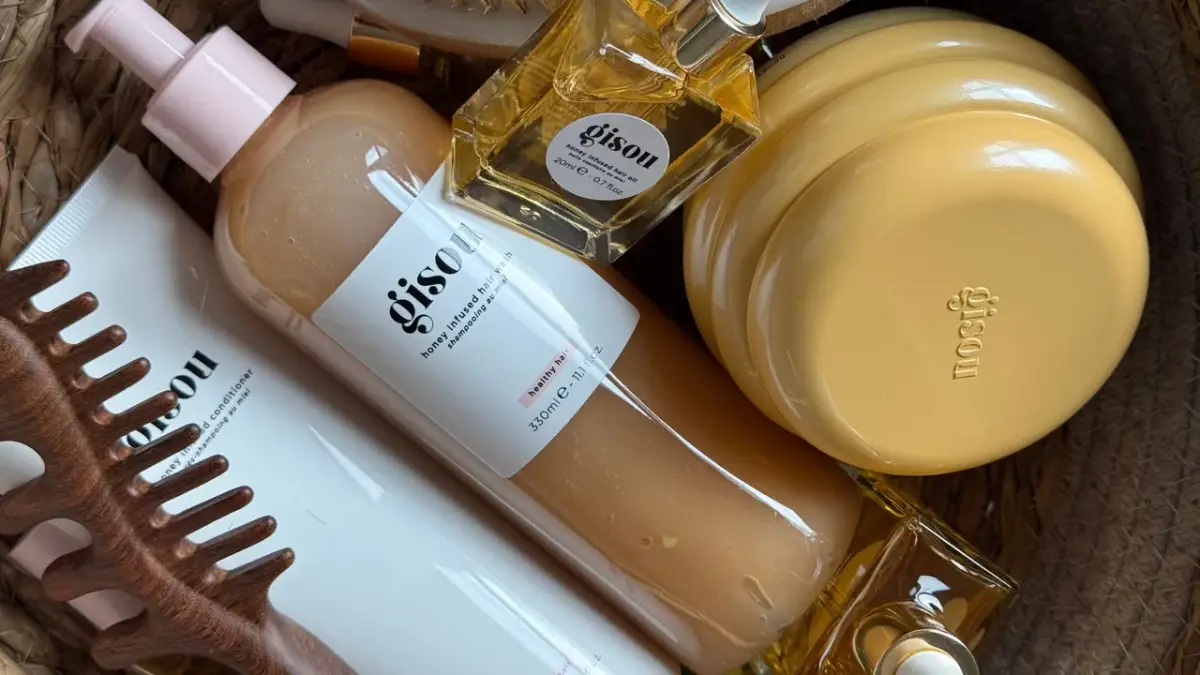
Price logic for biotin shampoo stays simple. A mid-priced biotin shampoo cleans exactly like its neighbors. Readers who want a scalp-clarifying companion for their routine often look at rosemary scalp shampoo for buildup refresh. Pay for scent and feel, never for miracles.
Our editors replace bottles by performance, not by promises.
What actually helps thinning hair?
Start any biotin shampoo decision with the cause, because treatment follows diagnosis. Board-certified dermatologists find the reason first, and sooner means better outcomes. Normal shedding runs 50 to 100 hairs daily, so strands in the brush alone prove nothing. Bald spots or widening parts deserve a visit, and our hair-care library will keep collecting honest routines as it grows.
Options with real evidence stay short. Minoxidil helps early hereditary loss but cannot regrow a full head, and stopping it loses the gains. Fixing iron or protein gaps helps when labs confirm them.
Gentle handling beats tight buns and hot tools every week. These dermatologist managing tips repeat the same spine: know the cause first.
Should you worry about biotin and lab tests?
Yes, and this section matters more than any shampoo review. Harvard Health reports that high biotin doses can skew lab tests, including troponin heart tests, with one reported death from a falsely low result. Shampoo will not cause this; only swallowed doses do.
Still, every supplement user should tell their doctor before blood work. That one sentence protects more health than any bottle.
Our verdict on biotin shampoo stays steady. Buy it for clean scent and soft foam, skip it as treatment, and spend the real effort on diagnosis. Share this biotin shampoo reality check with anyone staring at the shelf. Keep this guide in our hair-care library and return when the next miracle bottle winks at you.
| Question | Short answer | Source |
|---|---|---|
| Does it regrow hair | no, cosmetic thickness only | dermatology guidance |
| Daily biotin need | about 30 mcg for adults | Harvard |
| Lab test risk | real for supplements, not shampoo | FDA |
| First step for loss | find the cause with a doctor | AAD |
Frequently asked questions
Does biotin shampoo regrow hair?
No shampoo regrows hair on its own, including biotin shampoo. It cleans the scalp and can make strands look thicker for a day, while real regrowth needs a diagnosed cause and proven care.
How much biotin do adults need daily?
Harvard cites an adequate intake of 30 micrograms daily for ages 19 and older, usually covered by foods like eggs, nuts, meat, fish, spinach, and broccoli.
Can biotin supplements affect blood tests?
Yes. The FDA warns that high biotin doses can skew certain lab tests, including troponin heart tests, with one reported death from a falsely low result. Always tell your doctor about supplements.
What actually helps thinning hair?
Finding the cause first with a dermatologist. Options with evidence include minoxidil for early hereditary loss, fixing iron or protein gaps, and gentle handling. Most cases improve once the true cause is known.
Is losing 50 to 100 hairs a day normal?
Yes. Dermatologists call that range normal daily shedding as old hairs make room for new ones. Bald spots or overall thinning, not daily strands in the brush, signal real loss.