



On this page
A clarifying shampoo is a reset button for hair weighed down by buildup. The short answer: it deep-cleanses residue that regular shampoo leaves behind, used every 1 to 4 weeks depending on hair type. This guide shows how a clarifying shampoo works, how to diagnose your buildup, and how often your hair actually needs one.
Conditioner sitting on top of your hair instead of sinking in is the classic symptom. Products suddenly stop working, shine disappears, and roots turn greasy a day after washing. That pattern almost always means buildup, and only a clarifying shampoo fixes it properly.
What makes this wash different from regular shampoo?
Regular shampoo cleans the day. A clarifying shampoo cleans the month. Daily formulas gently lift surface oil and dirt, while a clarifying shampoo gives an even deeper cleanse that clears residue regular washing leaves behind. Wella’s professionals explain that clarifying formulas work as a reset for oily scalps and heavy product users.
The result is hair that feels lighter and behaves again. Styling products absorb properly, volume returns at the roots, and color looks brighter. One clarifying shampoo wash resets weeks of accumulation.
The limit matters as much as the power. A clarifying shampoo is stronger by design, so daily use strips natural oils and irritates scalps. Ulta’s education guide warns that too-frequent clarifying risks dryness and damage. Occasional clarifying shampoo use is the whole philosophy.
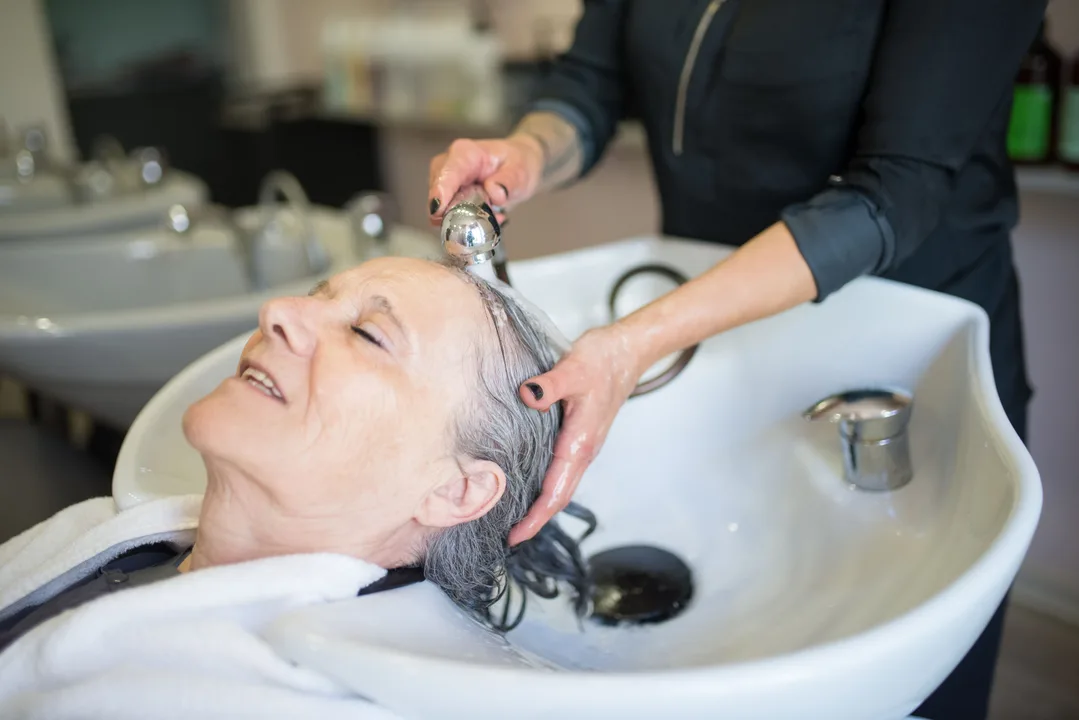
Diagnose your buildup: hard water, silicones, or oil?
Not all buildup is the same, and the type decides the fix. Readers confusing shedding with scalp trouble should first read our biotin shampoo guide to sort hair fall from scalp buildup. Then match your symptoms below.
Hard-water buildup feels rough and looks dull no matter what you apply. Calcium and magnesium from tap water coat every strand, and hair turns coarse, heavy, and lifeless. Swimmers get the same story from pool minerals binding within minutes. If your kettle furs up fast, suspect your shower too.
Silicone and product buildup feels coated and slippery. Leave-ins, serums, dry shampoo, and sprays layer invisible films that block moisture. Hair looks shiny but feels waxy, and conditioner slides off instead of absorbing. Wella’s professionals note that rich products and dry-shampoo habits are prime suspects.
Oily-scalp buildup starts at the roots. Excess sebum plus dead skin cells glue themselves to the scalp, and roots flatten within a day. An itchy, flaky scalp with greasy roots points here rather than at the lengths. This type responds fastest to a clarifying shampoo worked mainly into the scalp, and a rosemary scalp-scaling shampoo suits this exact case as a regular clarifier.
How often should you use clarifying shampoo?
Frequency is personal, but professional convention gives reliable starting points. Ulta’s education guide recommends most people clarify every 1 to 4 weeks by hair type, habits, and water. Start conservative, then adjust by feel.
| Hair type | Starting frequency | Notes |
|---|---|---|
| Fine or oily | About weekly | Shows buildup fastest; watch for oil rebound |
| Medium or normal | Every 2 weeks | The balanced default for most routines |
| Thick or coarse | Every 3 to 4 weeks | Goes longest between resets |
| Curly or coily | Every 3 to 4 weeks, gentle formulas only | Always follow with deep conditioner |
| Color-treated | Monthly or less | Keep strong cleansers away from fresh dye |
| Swimmers | After pool visits | Chlorine and minerals bind within minutes |
| Hard-water homes | Every 1 to 2 weeks | Adjust by how hair feels between washes |
Treat the table as a starting dose, not a prescription. Seasonal changes, new products, or a move to a new city all shift the schedule. Your hair’s feedback beats any chart.

Curly and color-treated hair need extra care
Curls and clarifying can coexist with rules. Frequent strong cleansing lifts the cuticle and dries spirals, so clarify curls every few weeks with gentle formulas and deep-condition after every reset. More curl-specific guidance is coming to our hair-care library.
Color-treated hair pays the highest price for over-clarifying. Treat strong cleansers and fresh dye appointments as a cautious pair: clarify monthly at most, and never right after a fresh color.
Damaged hair deserves the same caution. If your ends already snap, read our damaged-hair repair truth guide before adding a strong cleanser. A clarifying shampoo removes buildup; it never repairs breakage, and rough handling after a reset causes more harm than the buildup did.
How to use the reset wash step by step
Focus the power where buildup lives. Work the clarifying shampoo lather into the scalp with fingertips, then let the suds run down the lengths as you rinse. Scrubbing the ends directly dries them for no benefit.
- Wet hair thoroughly with lukewarm water.
- Massage a small amount into the scalp for a full minute.
- Let the lather slide down the lengths; do not scrub ends.
- Rinse completely until water runs clear.
- Follow at once with conditioner or a mask on mid-lengths to ends.
- Style as usual and notice how products absorb again.
Oily scalps that stay greasy may love a botanical scalp-scaling formula as their regular clarifier. Scaling formulas refresh roots without the harshest detergents. Match the strength to your scalp, not to the trend.
The verdict on clarifying shampoo
A clarifying shampoo earns its place as an occasional reset, not a daily driver. Diagnose the buildup first, set frequency by hair type, condition after every reset, and back off at the first sign of dryness. Do that, and dull coated hair turns light and responsive again.
Keep this clarifying shampoo guide in our hair-care library and return whenever products stop working. The fix is usually buildup, and now you know exactly which kind.
Share this guide
Send it to someone who needs it, or discuss it with AI.
Frequently asked questions
What does clarifying shampoo do?
It deep-cleanses buildup that regular shampoo leaves behind: styling residue, excess oil, hard-water minerals, and pollutants. Think of it as a reset wash, not a daily shampoo.
How often should you use clarifying shampoo?
Most people every 1 to 4 weeks. Fine or oily hair about weekly, thick or curly hair every 3 to 4 weeks, and color-treated hair least often. Adjust by how your hair feels.
Can clarifying shampoo damage hair?
Overuse can cause dryness, damage, and scalp irritation. Used occasionally with conditioner after, it is safe for most hair types.
Is clarifying shampoo good for curly hair?
Yes, occasionally every few weeks with a gentle formula, followed by deep conditioning. Frequent clarifying can strip curls dry.
Can I use clarifying shampoo on an oily scalp every week?
Fine, oily scalps often do best with weekly clarifying. If oil rebounds harder, space it out; overstripping can trigger extra oil production.