




On this page
- What counts as serious skin care?
- How do you know your skin type?
- Serious skin care for oily skin
- What does dry skin actually need?
- Balancing combination skin
- Why does sensitive skin react to everything?
- Serious skin care after 40
- How long until serious skin care shows results?
- Habits that quietly undo your routine
- Where to start this week
Serious skin care is a short routine built around what your skin actually needs, not a shelf of ten bottles. It cleanses gently, treats one concern at a time, moisturizes to keep the barrier comfortable, and shields the face from the sun every morning. That is the whole skeleton, and everything else is decoration.
The internet sells a different version: more steps, more actives, more urgency. Plenty of people end up with irritated skin and a cabinet full of bottles they regret buying. So we built this guide the other way around, matching 15 products to five real skin types, because serious skin care only works when the routine fits the person using it.
Ahead: what counts as serious skin care, a quick way to identify your own skin type, then one clear routine each for oily, dry, combination, sensitive, and mature skin. Browse the skin-care archive first if you want the rest of the series, or jump straight to your section and start there.
You can also run this guide as a reference rather than a read. Serious skin care advice works best when it sits next to the shelf, so every section below closes with a comparison table and three picks you can act on without opening ten tabs. The tables stay honest: no prices, no invented scores, just the job each product does and when it belongs in the day. Skim to your skin type, save the section, and come back when the bottle runs out.
What counts as serious skin care?
Serious skin care is defined by consistency more than complexity. Four moves cover almost everything: cleanse without stripping, treat one target, moisturize to keep skin comfortable, and wear sunscreen. Drop any one of them and the other three quietly lose ground.

Dermatologists spell out the order in plain language. The American Academy of Dermatology explains that the sequence in which you apply your products affects how well they work, and its steps stay simple: wash with a gentle cleanser, apply any treatment, then moisturizer and sunscreen, makeup last if you wear it. The same page warns that using too many products may irritate the skin, which is the trap most beginners fall into.
Texture decides the order. Watery serums go on first so they touch bare skin, creams follow to hold water in, and sunscreen closes the morning routine. Serious skin care looks similar on paper across skin types even when the products differ, because thin formulas always move before thick ones.
Four moves also set the budget. Everything marketed beyond them is an optional upgrade, because an eye cream can wait, a sheet mask is a nice weekend, and a second serum usually argues with the first one you already own. Serious skin care stays inexpensive because it stays short, and each product earns its slot by repeating its job week after week. If a step cannot explain its job in one sentence, it probably does not have one.
How do you know your skin type?
A quick at-home check gets you close enough. Cleanse with something gentle, leave the skin bare for about half an hour, then notice what happened. Shine across the forehead, nose, and chin points to oily skin, tightness or flakes point to dry skin, and a mix of both usually means combination skin.
Sensitive skin announces itself differently. Products sting, flush, or itch within minutes, and new actives feel like a gamble. Mature skin tends to feel drier and bounce back more slowly, though age and dryness are not the same thing, and a forty-year-old can still get an oily T-zone.
Whatever the check shows, treat it as a starting map rather than a life sentence. Skin shifts with weather, stress, and hormones, so re-check every season and adjust your serious skin care routine as it moves. The five types line up like this:
| Skin type | How it behaves | Morning focus | Evening focus |
|---|---|---|---|
| Oily | Shine builds by midday, visible pores | Gel cleanser, light layers | Same routine, no heavy creams |
| Dry | Tight after washing, flaky patches | Creamy cleanse, moisturizer, SPF | Richer cream or oil seal |
| Combination | Oily T-zone, comfortable cheeks | Balance both zones | Treat the T-zone only |
| Sensitive | Stings or flushes with new products | Minimal, fragrance-free steps | One active at a time |
| Mature | Slower bounce-back, drier texture | Antioxidant plus sunscreen | Retinoid or peptide cream |
Combination is the most common reading people get from the check, and the T-zone is usually where trouble starts. Write the result down: the label changes how you shop, and it stops you from buying an oily-skin serum your cheeks will resent. Re-run the same check in a different season before you change the whole shelf, because skin rewrites its own rules more often than marketing admits.
Serious skin care for oily skin
Oily skin produces more sebum than it needs, so shine shows up by midday and pores look larger than they are. The instinct is to strip it dry with harsh washes and scrubs. Serious skin care does the opposite: clean gently, add a lightweight treatment, and leave the barrier alone.
The American Academy of Dermatology’s acne-prone skin care hub states the basic fact behind this section: acne-prone skin is often oily. Its dermatologist resources cover oily-skin control, the habits that can make breakouts worse, and even why you may still need a moisturizer when skin feels greasy. Oily does not mean you skip steps, it means you choose lighter versions of them.
Start with a cleanser that removes oil without the squeak. A niacinamide serum like The Ordinary’s then goes on damp skin, because the pairing of 10 percent niacinamide with 1 percent zinc is aimed squarely at visible oil and blemish-prone texture. Sunscreen finishes the morning, and an oil-free fluid like EltaMD’s UV Clear sits comfortably under makeup.
What not to do matters here. Skip alcohol-heavy toners, daily scrubs, and the urge to wash every time skin shines, because oil production answers to irritation as easily as it answers to cleansing. Keep the routine to three or four steps and let the treatment do the talking.
If the T-zone still shines by noon, blot rather than add another layer of powder, and check whether your moisturizer is heavier than it needs to be. Oily skin often feels greasy because it runs dehydrated underneath, so a gel or fluid texture keeps the balance serious skin care depends on. A clay mask once a week is a reasonable extra, daily masks are not. Give the serum six weeks of honest use before you judge it, because oil balance moves slowly.
Oily skin: the three picks compared

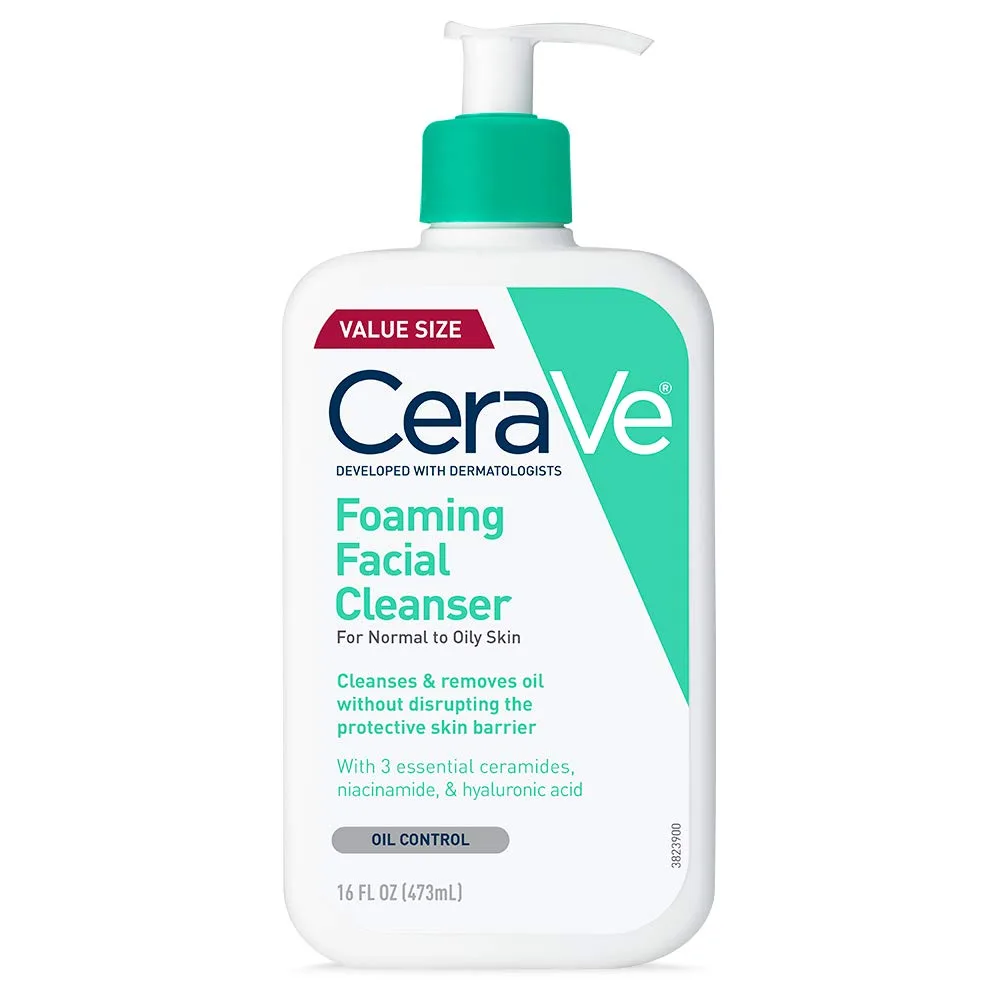
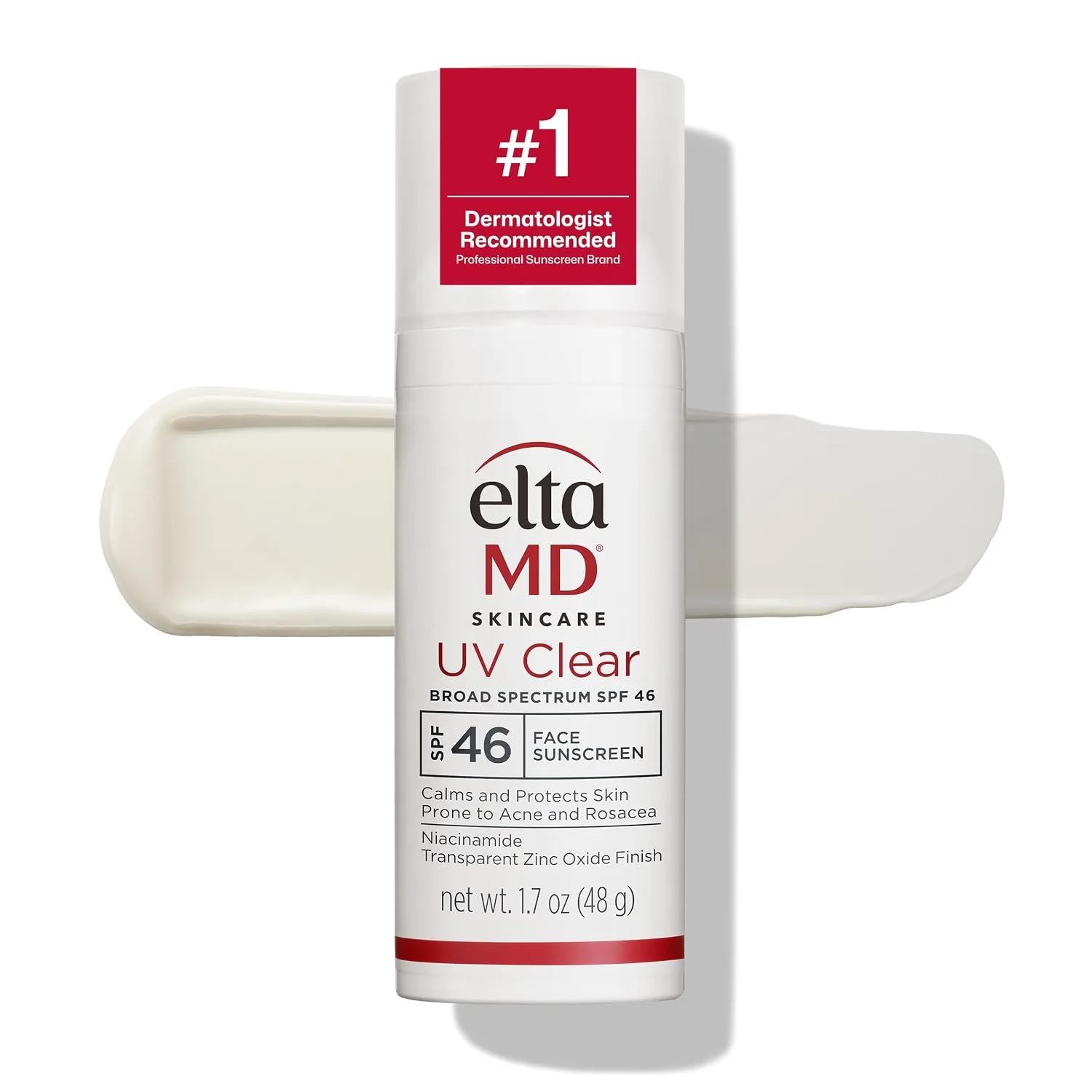
The three jobs run in order: wash away the day, treat oil and texture, then protect. If makeup slips by afternoon, blot papers beat another wash, since over-cleansing restarts the oil cycle the serum is trying to calm. Serious skin care for oily skin stays boring on purpose.
Three jobs for oily, breakout-prone skin: wash, balance, protect.
What does dry skin actually need?
Dry skin loses water faster than it replaces itself, so it feels tight after washing and shows flakes in patches. The fix is mechanical rather than magical: cleanse with something low-foam, add water-binding ingredients, then slow their escape with a richer layer on top.
Glycerin, hyaluronic acid, and ceramides do the heavy lifting, and timing matters as much as the formula. Apply moisturizer while skin is still damp, because that is when the water is still sitting on the surface. Our longer dry-skin product guide walks through the same logic with the dermatologist sources behind it, if you want the deep version.
Dry skin prefers a low count and rich textures. One gentle cleanse at night, a morning rinse, moisturizer twice a day, and a seal of oil or balm at night beat any crowded shelf, because dry skin reacts better to layering than to activity. Watch water temperature too, since hot water strips the same lipids a good cleanser spares.
Humidifiers, lukewarm rinses, and a thicker cream at night do more for dry skin than any trend. The advice stays the same in winter and in air-conditioned offices: layer while damp, seal the edges, and treat flaking as a signal to simplify rather than to scrub harder. Serious skin care for dry skin also forgives skipping a night mask now and then, because a routine you repeat beats a routine you abandon. Consistency is the whole strategy here.
Dry skin: the three picks compared
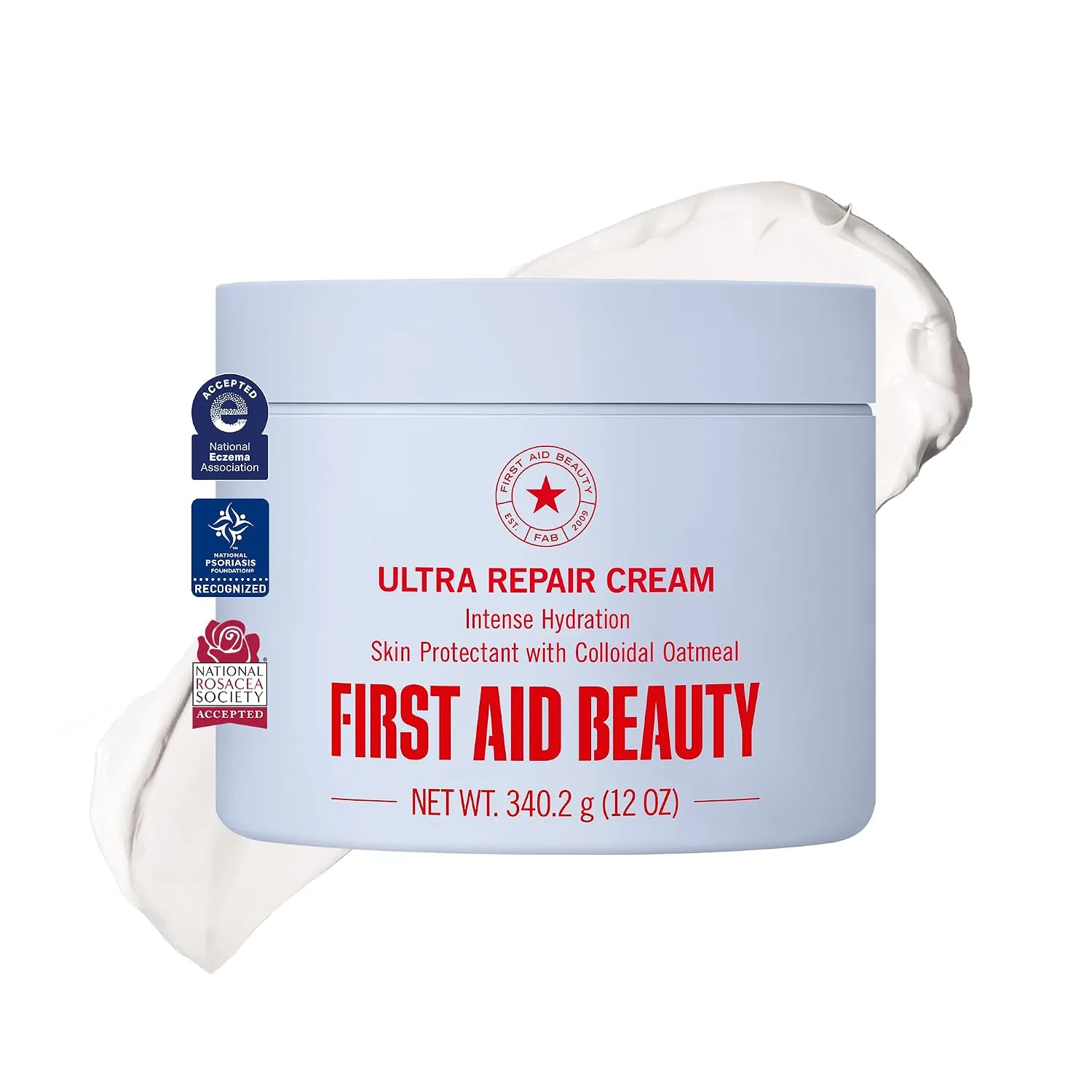
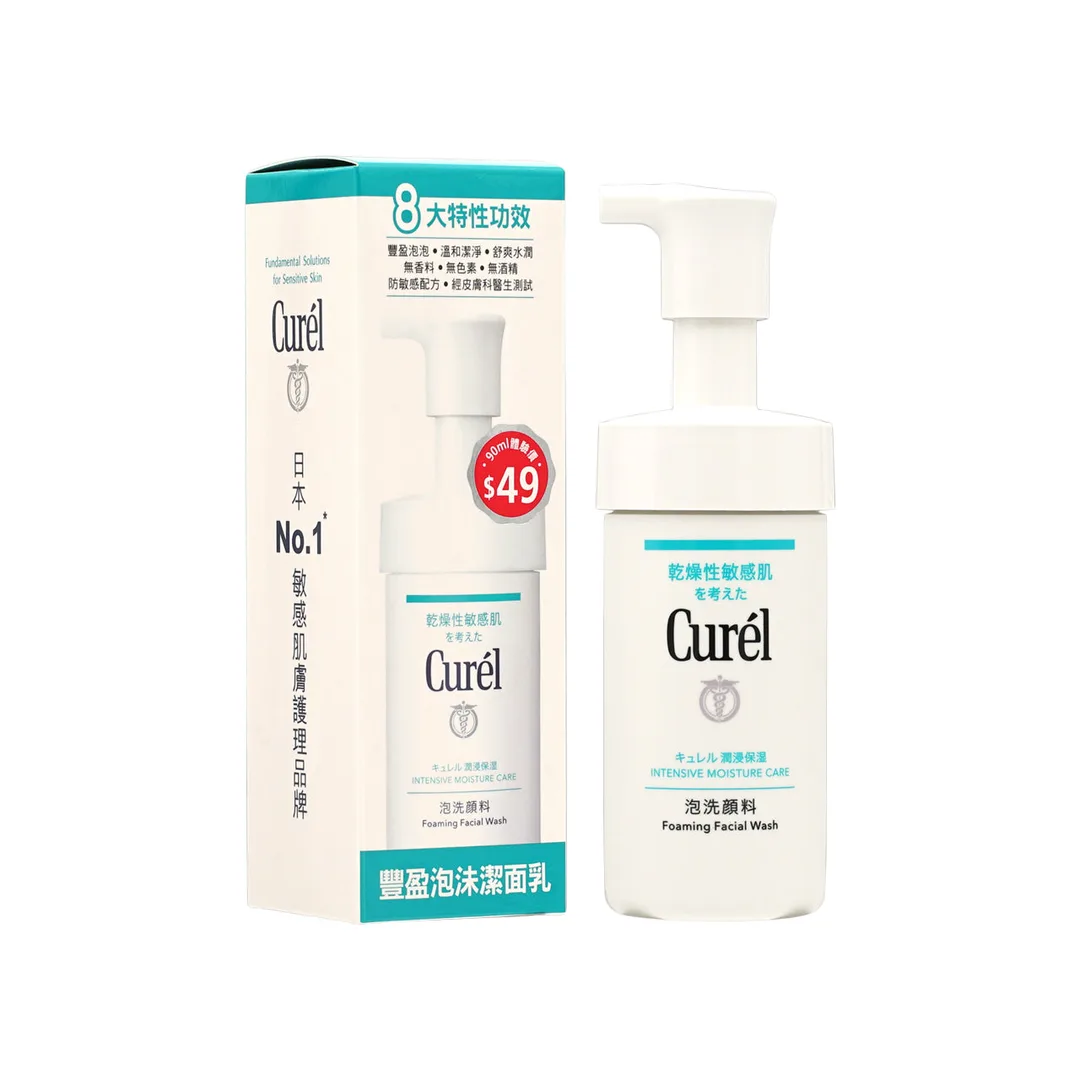
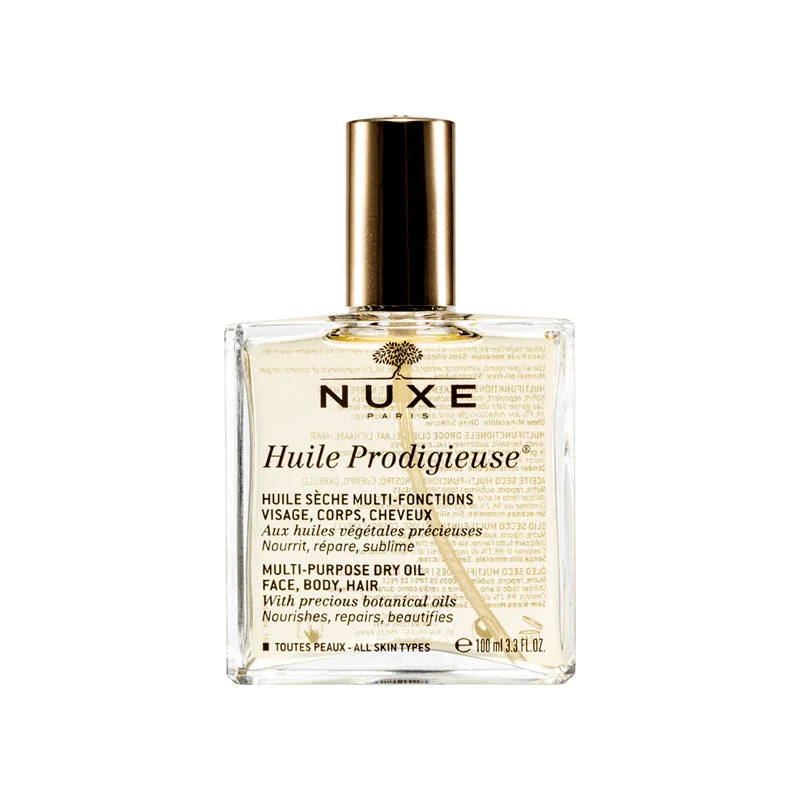
Three jobs, three products: the foam cleanses, the cream repairs, the oil seals. On rough days, press an extra layer of cream onto damp skin instead of adding a fourth bottle, because hydration stacking fixes most complaints before a new purchase does. Patience carries the section.
The dry-skin trio: cleanse softly, repair the barrier, seal at night.
Balancing combination skin
Combination skin is two zones sharing one face: an oily T-zone and cheeks that behave normally or run dry. The classic mistake is treating the whole face like one extreme, either stripping the cheeks to fix the forehead or greasing the forehead to comfort the cheeks.
One gentle cleanser works for the whole face, and treatment is where you split the map. A lightweight gel moisturizer everywhere, salicylic acid only on the T-zone where blackheads cluster, and sunscreen as the final morning layer across all of it. That is serious skin care with two maps instead of one.
Consistency beats intensity here as well. Combination skin settles when the routine stays boring for a month, because the T-zone reads constant change as a signal to produce more oil. Change one thing at a time and the zones stop arguing.
Makeup choices matter here too. A mattifying primer on the T-zone and a hydrating base on the cheeks mimics what the routine already does, and blotting papers live in the bag for the same reason. The goal of serious skin care for combination skin is not a matte face at 6 pm, it is skin that behaves the same from morning to night. One routine, two maps, no daily renegotiation.

Combination skin: the three picks compared
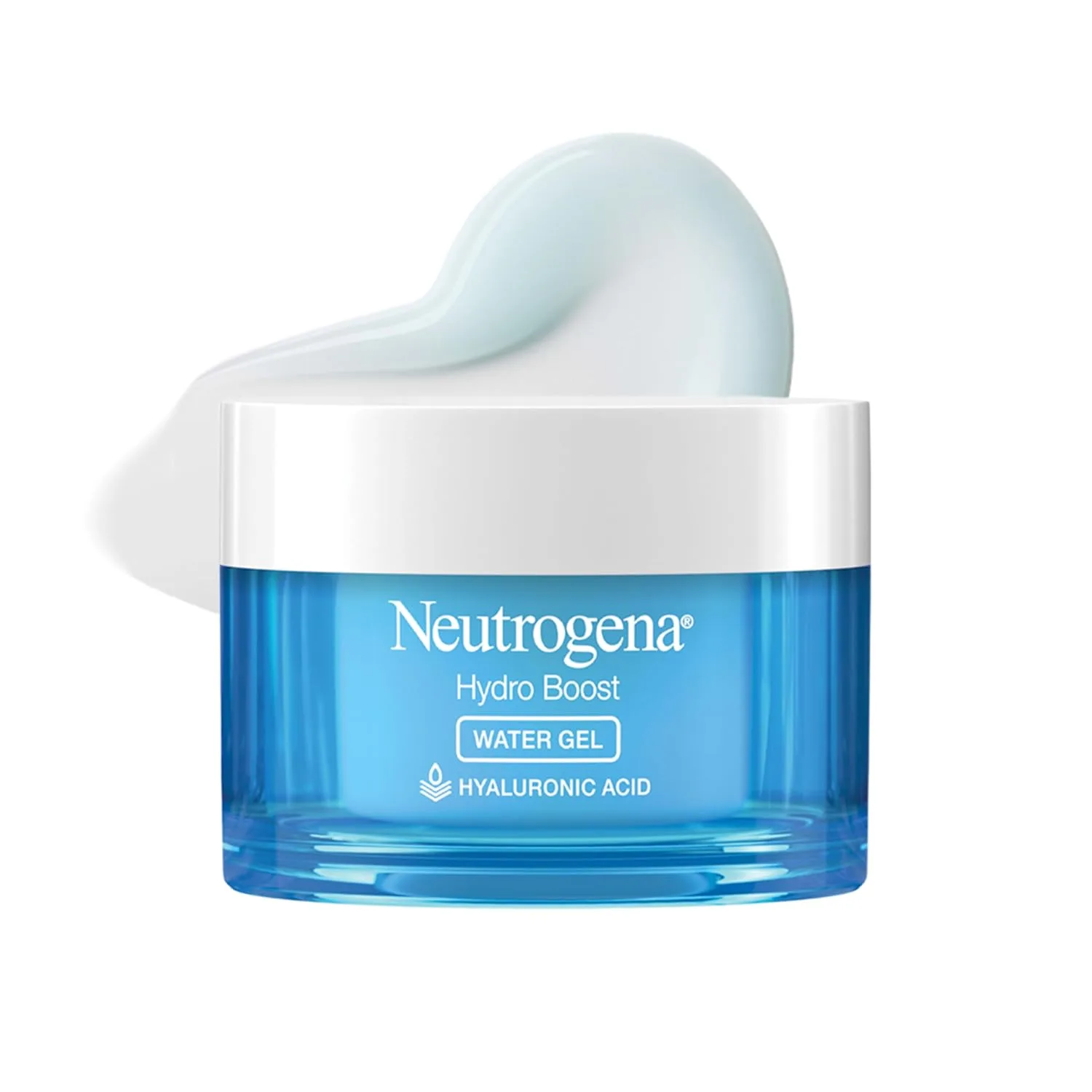
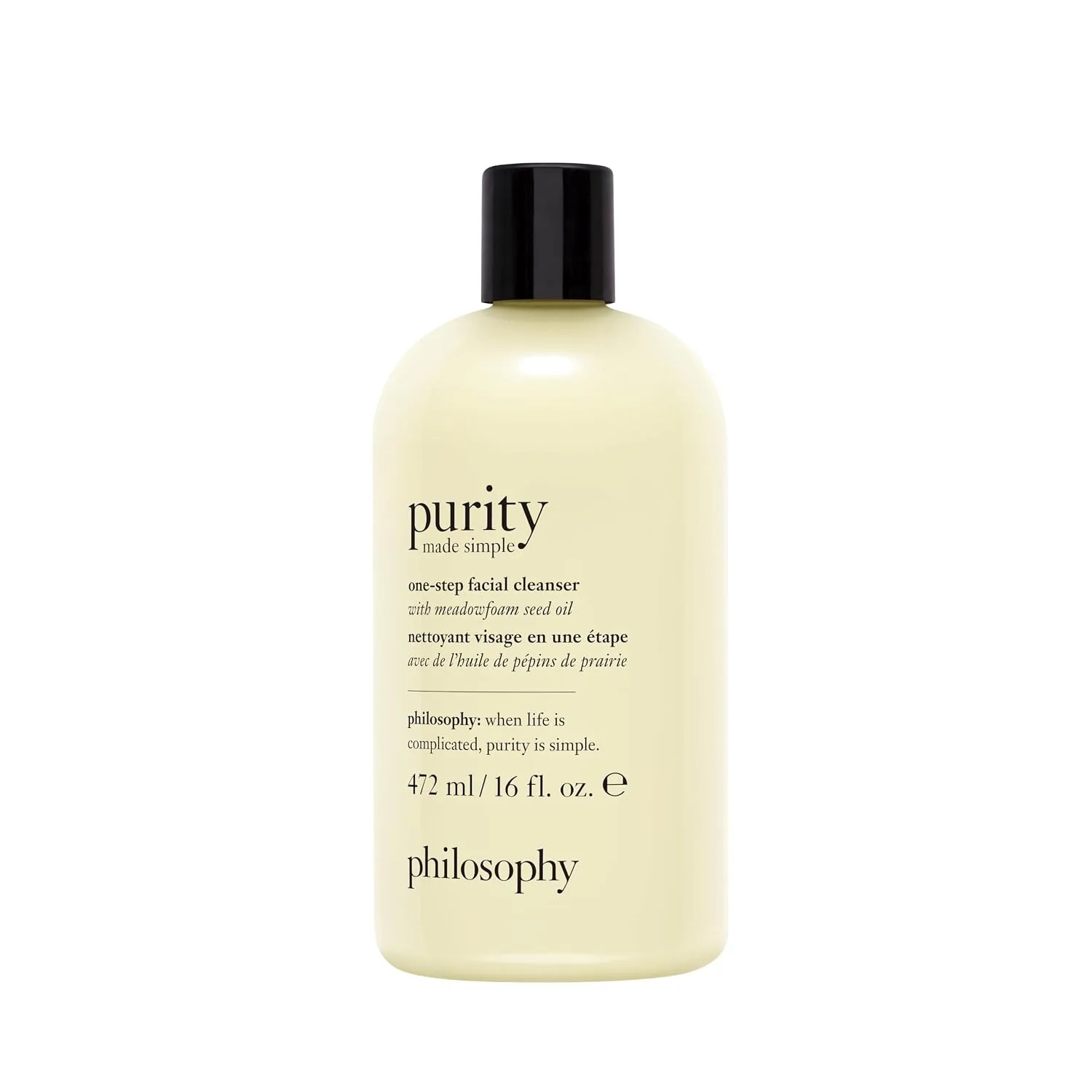
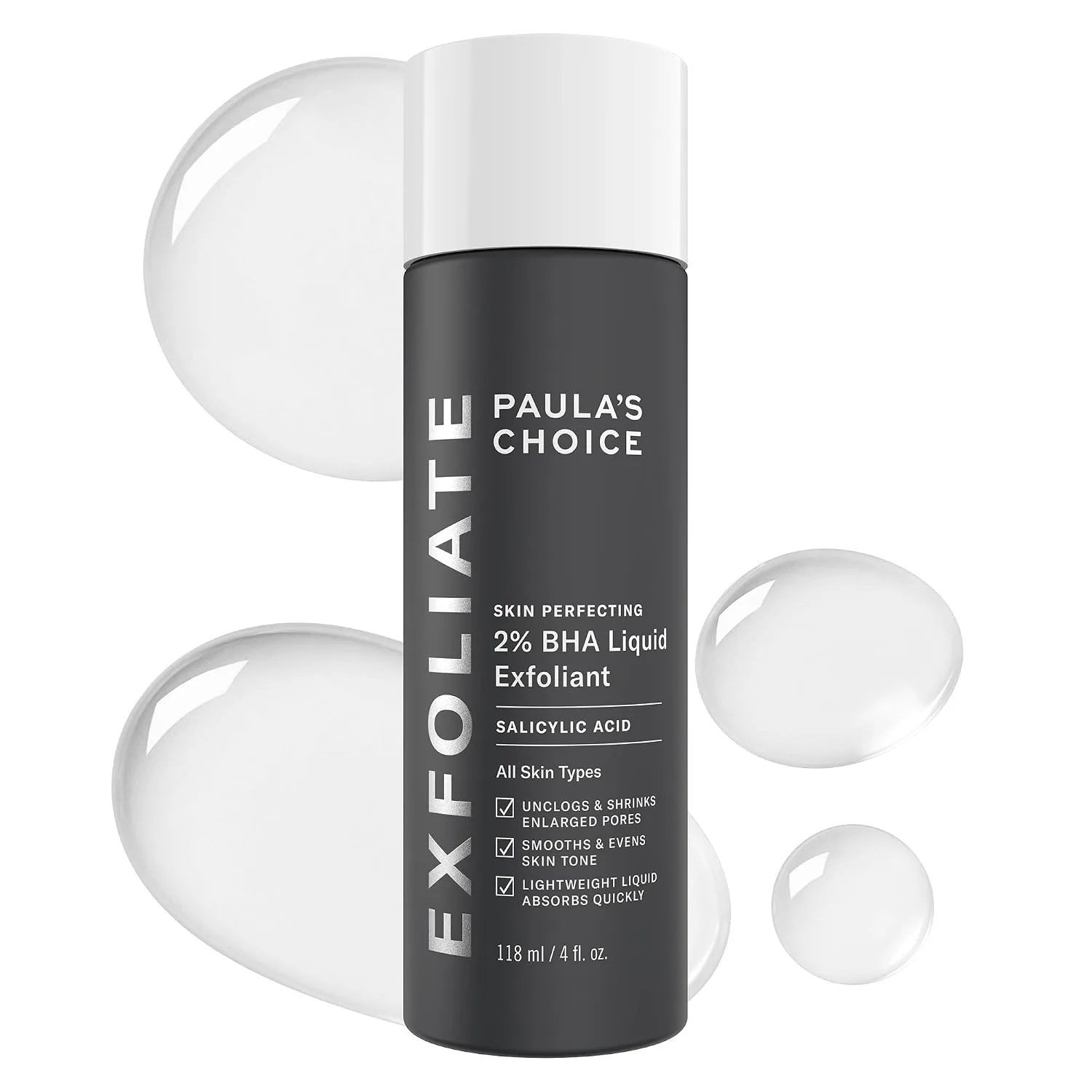
The three picks split by job again: philosophy’s one-step cleanser keeps mornings fast, Hydro Boost adds oil-free water where cheeks feel tight, and the 2 percent BHA liquid does the pore work at night a few times a week rather than daily. Nothing in the set fights the other two.
Combination skin needs balance, not two separate routines.
Why does sensitive skin react to everything?
Sensitive skin usually points to a barrier that has lost its patience. Fragrance, essential oils, strong acids, and the constant introduction of new actives all stack up until skin stings at the drop of a hat. The fix starts with subtraction, not with another soothing serum.
Even the gentlest-sounding ingredients deserve a realistic read. The National Center for Complementary and Integrative Health notes that topical aloe gel has a long record of use on skin, that research suggests it may speed burn healing, and that occasional reports of burning, itching, and rash still exist. Read that as the template for every calming claim on the shelf, aloe gels included: gentle is not the same as risk-free.
Patch-test anything new on a small area for a few days, introduce one active at a time, and keep the ingredient list short. Fragrance-free is the label to read first, then dye-free, then the shortest list you can find. When a product stings, stop, because skin remembers a bad reaction longer than you do.
Water temperature, towel friction, and a weekly acid all count as actives when skin is reactive, so change one variable at a time and watch for two days before adding the next. Serious skin care for sensitive skin is a subtraction game first, and the products only get a vote once the irritants are gone. Keep a short log of what stung and when, because patterns show up faster than opinions do. The skin that notices everything will tell you what works if you give it a quiet week.
Sensitive skin: the three picks compared

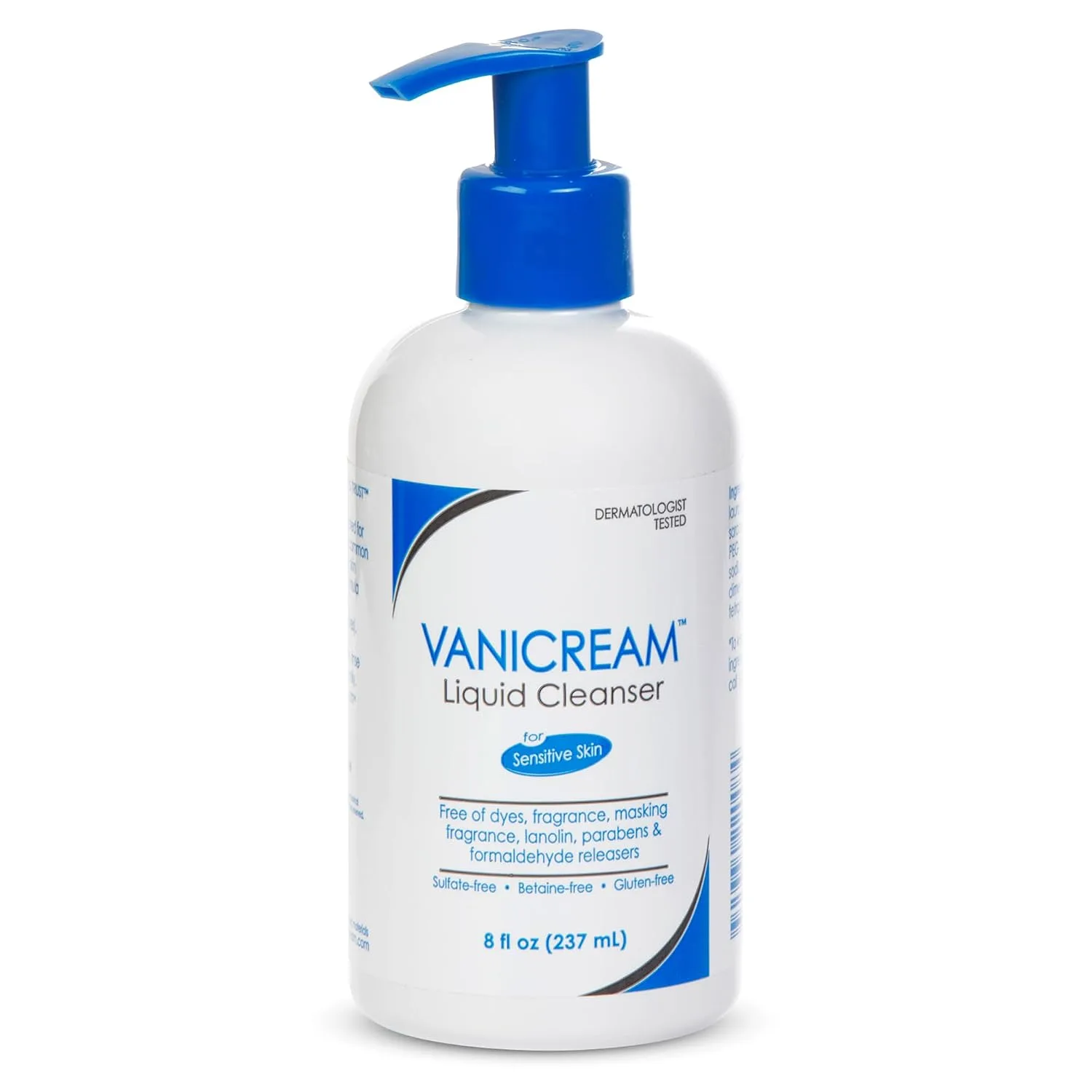
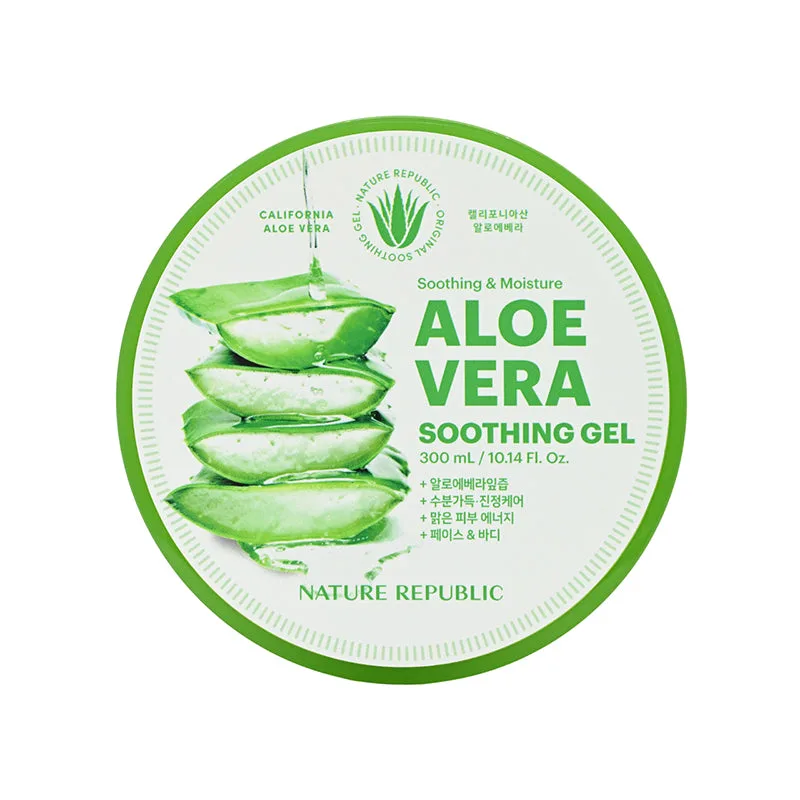
The trio keeps everything at bare minimums: a free-of-irritants wash, aloe gel for hot days, and a ceramide cream that rebuilds comfort morning and night. Nothing exotic, which is exactly the point for skin that notices everything. Sensitive skin rewards the routine that stays quiet.
Sensitive skin does best with short lists and one change at a time.
Serious skin care after 40
Skin after 40 tends to run drier, bounce back more slowly, and show years of sun in uneven tone. Serious skin care at this stage keeps the same four moves and upgrades the treatment slot: a retinoid at night, an antioxidant in the morning, and sunscreen without negotiation.
Sun protection is the half that pays for everything else. The Skin Cancer Foundation recommends broad-spectrum SPF 30 or higher every day, with reapplication every two hours when you stay outdoors, and it reports that regular daily use of SPF 15 sunscreen is associated with roughly 40 percent lower squamous cell carcinoma risk and about half the melanoma risk. No serum in this section outranks that habit.
Night is where the repair work happens. A rich peptide cream like Clinique’s Smart Clinical Repair suits drier evenings, while retinol beginners should start a few nights a week rather than nightly, because retinoids ask for patience measured in months. Vitamin C in the morning covers the tone side of serious skin care after 40.
Expectations help too. Clinique’s own product listing reports that 85 percent of users said their lines looked reduced, which is a useful reminder that brand surveys measure the product rather than your face. Track your own progress in the same light every few weeks instead of daily.
Do not skip the neck, the hands, or the hairline, because those areas collect the same years of sun and usually get half the product. Serious skin care after 40 means carrying the routine past the jaw, and it costs nothing extra to do. Patch-test any retinoid on one cheek before committing both, and back off for a few nights if the skin turns flaky rather than smooth. Treat the adjustment as a schedule, not a failure.
Mature skin: the three picks compared
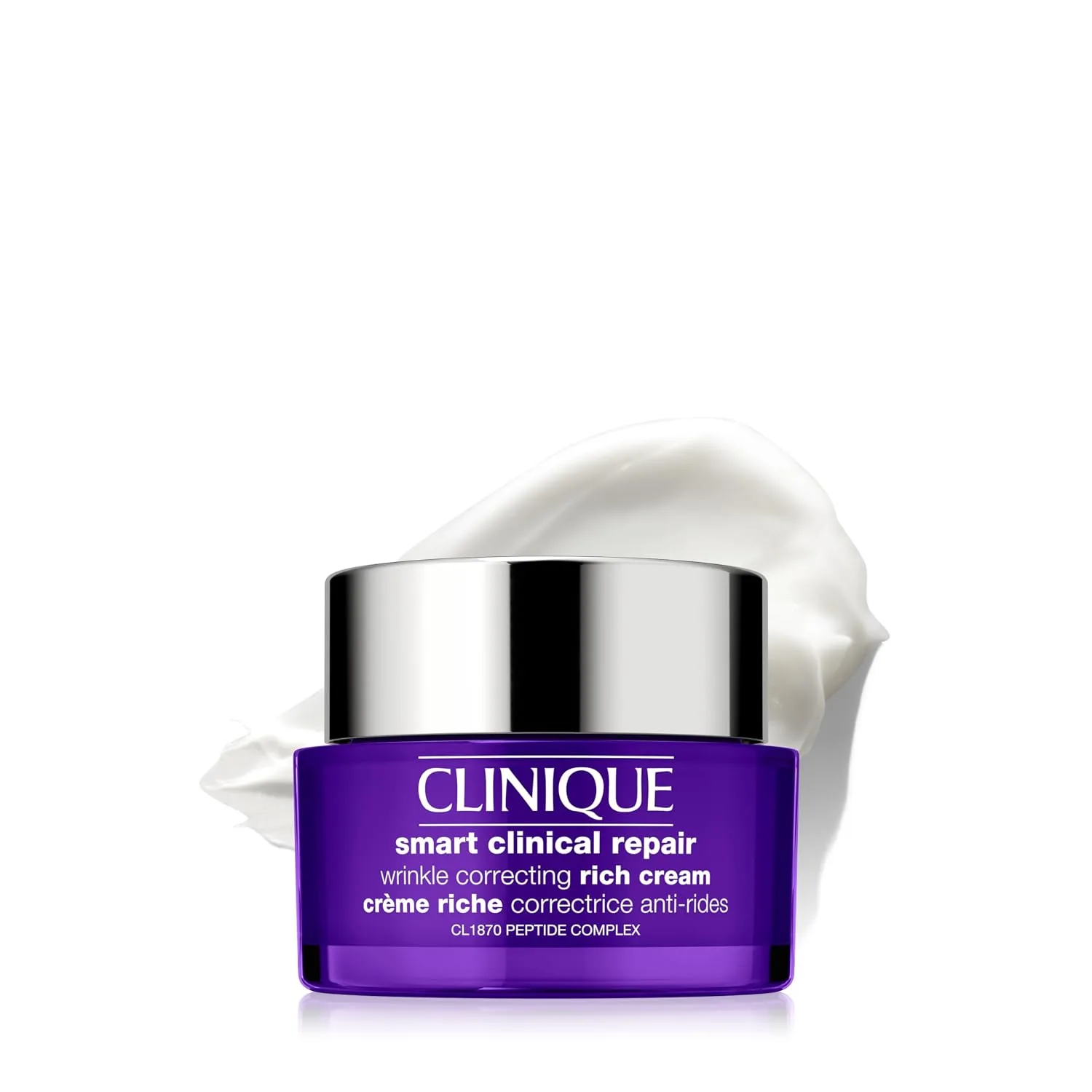
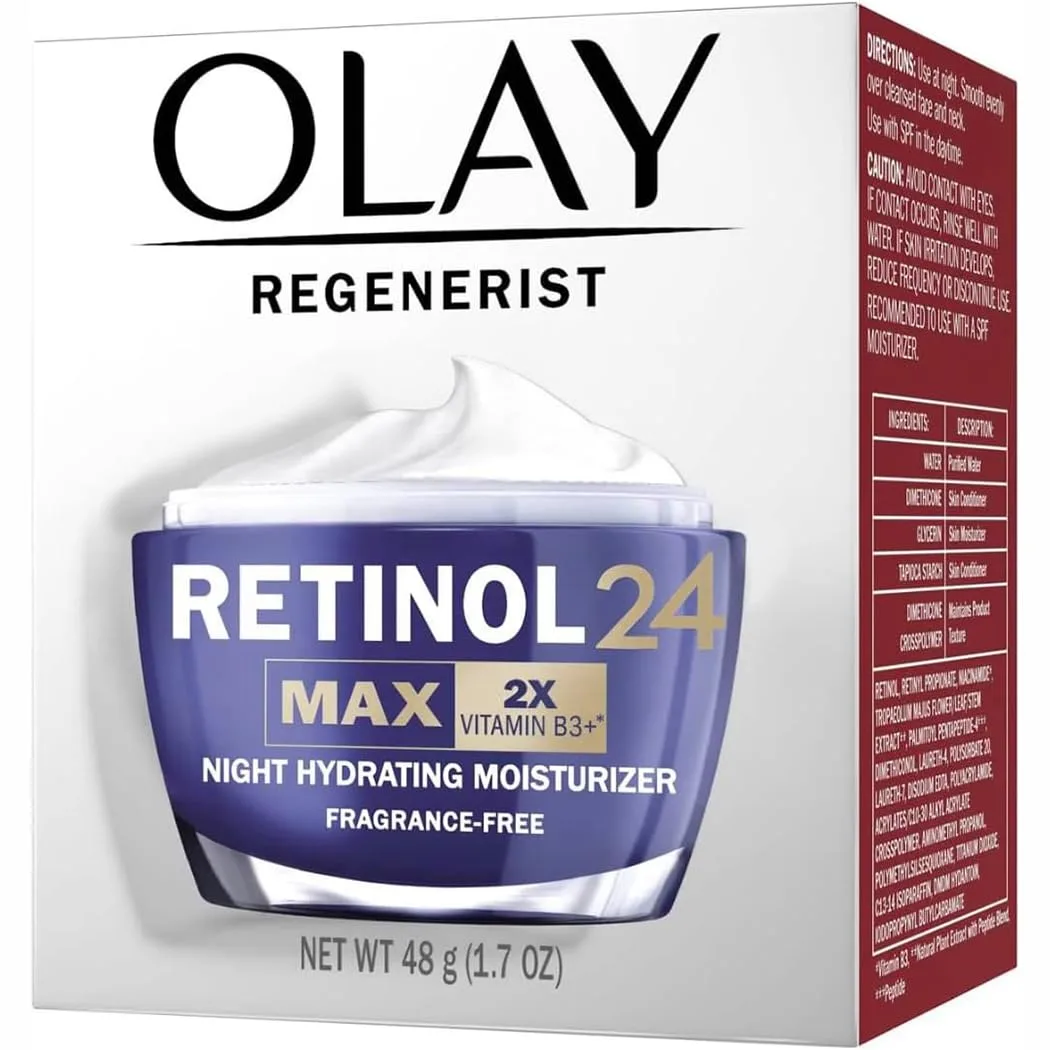
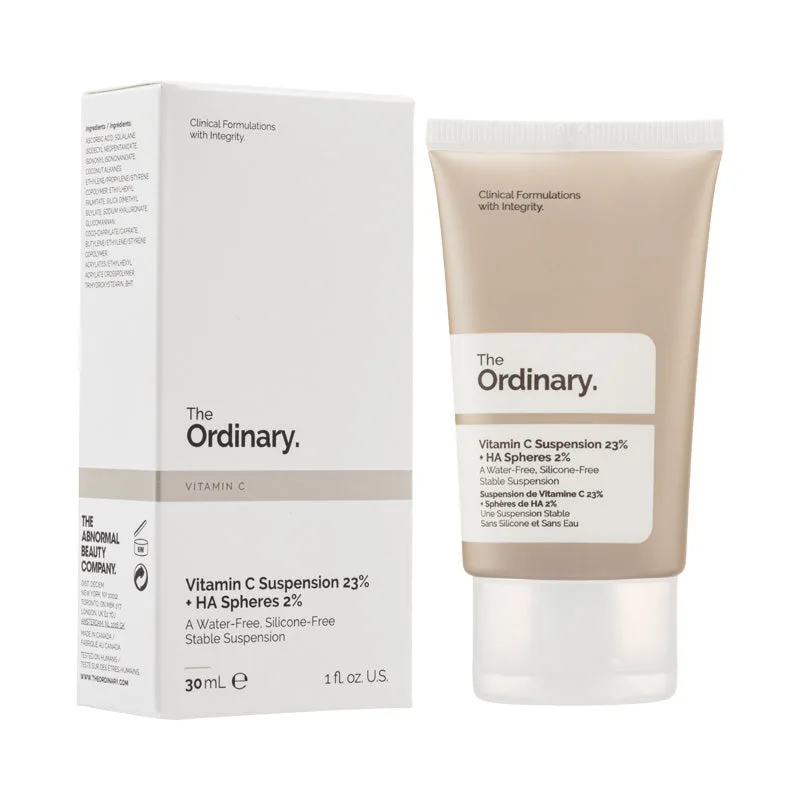
The three picks cover the full day: vitamin C before sunscreen in the morning, the peptide cream when skin feels dry, and Retinol 24 Max at night once skin tolerates it. Rotate by feel rather than by calendar, and keep sunscreen fixed while you do it.
After 40: protect in the morning, repair at night.
How long until serious skin care shows results?
Some changes show up fast and some take their time, and mixing the two timelines is how people quit early. Hydration and comfort can appear within days of a better moisturizer, while tone and texture are slower, steadier judges that need weeks of the same routine.
A calendar also protects you from the second trap of serious skin care, which is product hopping, because every swap resets the adaptation window and the shelf fills with half-judged bottles that never got a fair run. Keep one benchmark per month, a photograph plus a short note, and let the routine stay dull enough to measure. Boring routines produce readable results, and readable results are the only ones you can act on. Nothing here requires a subscription, a gadget, or a new bathroom shelf, only the four moves repeated on the days you feel like it and the days you do not.
Give any single change about two weeks before deciding it failed, and give a retinoid several months before deciding it worked. Serious skin care is mostly a patience problem: the products are ordinary, the results are cumulative, and the calendar does more work than the label ever will.
Photograph your skin in the same light every couple of weeks rather than checking the mirror after every wash. Comparison beats memory, and memory is famously generous with flaws.
External factors rush the calendar too. Summer heat, a new sunscreen, or a stressful month can shift how skin looks for reasons that have nothing to do with the serum you just started, and serious skin care keeps written notes so those swings do not read as failure. Hormones and sleep report into the same window, which is why the mirror is a poor historian. Compare dates, not moods.
Habits that quietly undo your routine
Most routine failures are boring ones. The products sit unused, the sunscreen gets skipped on cloudy days, and three new actives arrive in one week to undo the calm the old routine built. Serious skin care loses to chaos more often than it loses to bad products.
- Over-washing. Shiny skin is not dirty skin, and two gentle cleanses a day cover almost everyone.
- Skipping sunscreen because it is cloudy. UV reaches the skin anyway, and daily exposure adds up.
- Starting four products at once. Introduce one change at a time so your skin can tell you what worked.
- Sleeping on a pillowcase that has not changed all week. Fresh fabric keeps last night’s products off tonight’s skin.
- Hair oils and heavy leave-ins sitting on the hairline. Keep them off the forehead, and if your ends need richer formulas, the hair-care guides cover that side of the shelf.
None of these habits need willpower to fix, they need attention for about a week until the new default sticks. Check the list again on Sunday, keep the two entries that were already fine, and quietly fix the rest. The routine itself rarely breaks, the calendar around it does.
Where to start this week
Pick the section that matches your skin, buy nothing new until the basics exist, and run the four moves for two weeks straight. Serious skin care at this point is a checklist: gentle cleanser, one treatment, moisturizer, sunscreen, in that order, morning and night where relevant.
If the routine feels thin, that is the point. We would start with the cleanser and the sunscreen, because those two shape everything that happens in between, and simple meals keep the habit from turning into another weekly project; the healthy-food section stays there for exactly that reason.
Write the four steps on the mirror if that is what it takes, because out-of-sight routines die quietly within a fortnight. We keep our own versions boring for exactly this reason, and skin responds to the boring version faster than to the exciting one. Pick one product change this week and let the rest of the shelf wait.
The three cards in each section exist for the same purpose: one product per job, no overlap, no mystery. Choose by skin type, keep the order straight, and check back after a month, because the serious skin care routine that survives is the one that fits.
Share this guide
Send it to someone who needs it, or discuss it with AI.
Frequently asked questions
What is serious skin care in simple terms?
A short, repeatable routine: a gentle cleanser, one treatment for your main concern, a moisturizer that suits your skin type, and broad-spectrum sunscreen every morning. Consistency matters more than the number of steps.
How do I know which skin type I have?
Cleanse, leave skin bare for about half an hour, then notice where shine or tightness shows up. Oil mainly in the T-zone with comfortable cheeks points to combination skin, while stinging or flushing points to sensitive skin.
Does serious skin care need expensive products?
No. The structure stays the same at every budget, and drugstore cleansers and sunscreens work well. Spend where your skin responds, such as a treatment serum or a richer night cream.
Can I use vitamin C and retinol together?
Many people use vitamin C in the morning and retinol at night, which keeps both simple to tolerate. Start retinol slowly, a few nights a week, and give your skin time to adjust.
How long before I see results from a new routine?
Comfort and hydration can show within days, while tone and texture take longer to judge. Give any single change about two weeks before deciding, and give a retinoid several months.