



On this page
Dry skin in fall does not announce itself. It is the most common seasonal skin complaint. Your face feels tight by ten in the morning, and the moisturizer you loved in July sits on top like a film.
You add a serum, then an oil, then a cream, and by noon it itches again. Nothing is wrong with your routine. The air changed, and dry skin in fall is the result.
The cause of dry skin in fall is not your cream. It is the room.
Here is the number that explains it. Outdoor air at zero degrees and 85 percent relative humidity drops to about 22 percent once it is heated indoors. That single shift, documented in a 2016 review in Contact Dermatitis, is why dry skin in fall behaves so differently from July.
The water is not leaving your cream. It is leaving the room.
Why does dry skin in fall happen so fast?
You did not imagine the timing. Atopic dermatitis incidence peaks in February and October, and patients with the condition show lower skin hydration and more irritation in November than in July, according to the same review in Contact Dermatitis. The barrier weakens right when the heating goes on.
This is the seasonal pattern behind dry skin in fall. It repeats every year, which is why the same products stop working at the same time.
The change is also sudden, and sudden is worse than steady. In one study, moving from a humid environment to a dry one raised water loss through the skin six to seven fold within two days before it settled back, as the Journal of Investigative Dermatology reported. Your skin is not lazy. It is reacting to a shock.
Even fifteen minutes of cold, dry air measurably lowers skin hydration in healthy volunteers. A short walk to the car, a drafty office, an overnight heating cycle. The damage is cumulative and invisible until the flaking starts.
If you want a full routine built around this, our skin care category collects the guides that go deeper.
What breaks in your skin when the air dries out?
The barrier, not the moisture. This distinction is the whole answer.
Ceramides, the lipids that hold skin cells together, drop by roughly 20 percent in winter compared with spring and summer, a change measured in leg skin and summarized in a review of skin hydration factors. Natural moisturizing factor, the mix of amino acids that pulls water into the outer layer, drops with it. The outer layer itself thickens about 30 percent in dry skin, which is the visible flaking you see in the mirror.
So when your skin feels rough, the problem is not that you lack water. The problem is that the wall holding the water in has thinned. Adding more water to a broken wall does not fix the wall.
This is why dry skin in fall is a barrier problem, not a moisture problem. The fix has to rebuild the wall.
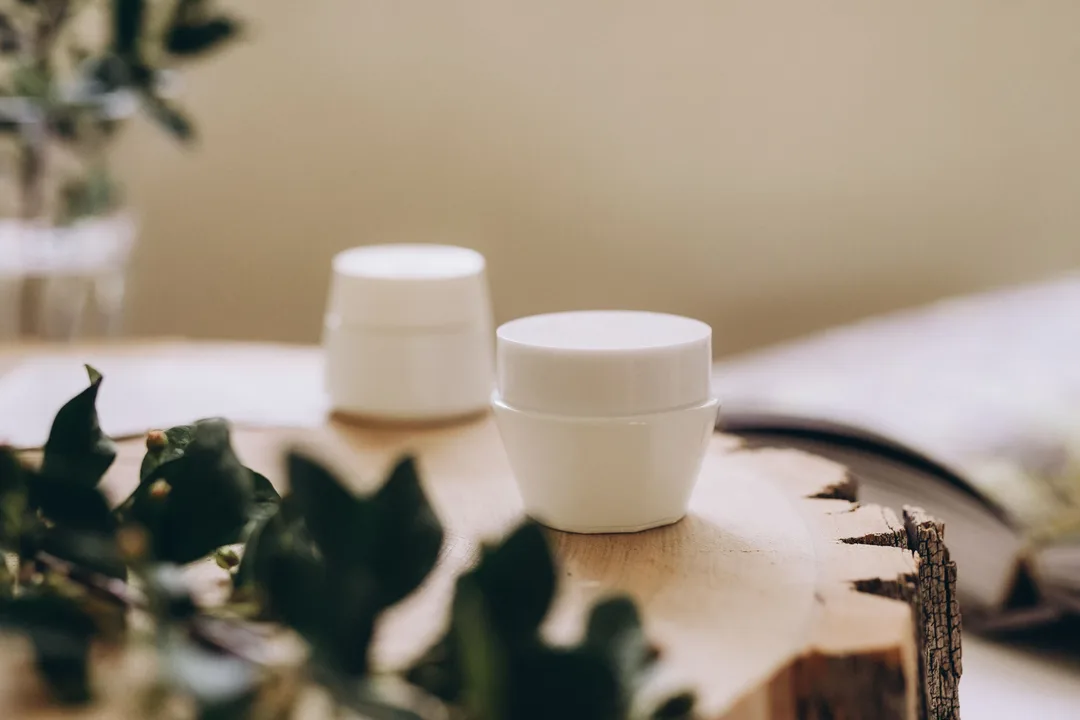
Three fixes that work for dry skin in fall
The barrier behind dry skin in fall needs these four ingredients. Each one does a different job, and together they rebuild what the season removed. Treating dry skin in fall without them is like adding water to a cracked cup.
- Ceramides refill the lipids that hold skin cells together.
- Glycerin pulls water into the outer layer and holds it there.
- Hyaluronic acid binds water, but only if you seal it with a cream.
- Panthenol calms the irritation that comes with a thinned barrier.
Apply hyaluronic acid to damp skin, then seal it with a cream within a minute. The water needs something to hold it, or it evaporates with the season. A cream with ceramides, such as In The Stars Ultimate Hydration Body Cream, covers the seal step for most skin types.
This order matters for dry skin in fall. Water first, seal second.
Cut the foam next. A harsh foaming cleanser strips the lipids October already removed. Switch to a gentle or cream cleanser for two weeks and watch the tightness fade. This is the cheapest change for dry skin in fall.
You are not washing less. You are washing without taking.
Humidify the room where you sleep. This is the one change that costs almost nothing and works while you are unconscious. A bowl of water near a radiator, a damp towel on a chair, or a small humidifier.
The goal is not perfection. It is keeping the air from hitting your skin at 22 percent for eight straight hours.

What to skip this season
The seasonal content machine is full of ideas that make dry skin in fall worse. Products that promise to fix dry skin in fall in a week rarely do. Here is what the evidence does not support.
| Idea | Why it fails |
|---|---|
| Detox teas and cleanses | Your liver already clears what a tea cannot touch |
| Aggressive DIY peels | Cause burns and lasting pigment changes |
| Stacking supplements first | Guesswork with a price tag, before any blood test |
| Switching products every two weeks | You never learn which one helped |
If your skin needs more than a routine change, that is a signal worth reading. Dryness that arrives with thinning, slow healing, jawline breakouts, or shedding hair can point to hormones, iron, vitamin D, or thyroid. Those need a clinician and a blood panel, not a new cream.
Dry skin in fall that comes with those signs is not a routine problem. It is a medical one.
When should you see a doctor?
Most seasonal dryness clears with a gentler cleanser, a barrier cream, and a humidifier. A smaller group needs more. Dry skin in fall that persists past three weeks is worth a blood panel.
The first sign of dry skin in fall is usually tightness, not flakes.
Watch for dryness that does not respond after three weeks of those changes, or that comes with other signs. Hair shedding, cold hands, tiredness, or a changing cycle all belong in a conversation with a clinician. A review of the skin barrier in dry and sensitive skin notes that lipid depletion and protease imbalance sit at the root of dry skin, which is why barrier repair works and hydration alone does not.
The deeper answer
A full routine by skin type, with budget tiers and what to skip, lives in our best skincare products for dry skin guide. For the science behind barrier repair, our serious skin care routine walks through the order of steps. The skin care category collects both.
This article is the short version. The air changed, your barrier thinned, and the fix is to rebuild the wall rather than pour in more water. Start with the humidifier tonight. It is the cheapest experiment you can run, and it works while you sleep.
Dry skin in fall is predictable once you know the cause. The barrier drops, the air dries, and the fix is always the same three steps.
Share this guide
Send it to someone who needs it, or discuss it with AI.
Frequently asked questions
Why is my skin so dry in fall all of a sudden?
The humidity drops sharply when cold outdoor air is heated indoors. Air at zero degrees and 85 percent relative humidity falls to about 22 percent once heated, which pulls water out of the skin barrier.
What is the fastest fix for dry skin in fall?
Add a barrier ingredient such as ceramides or glycerin, apply it to damp skin, then seal it with a cream within a minute. Humidifying the bedroom helps overnight.
Should I stop washing my face if my skin is dry in fall?
No. Switch to a gentle or cream cleanser instead of a harsh foaming one. You want to wash without stripping the lipids the season already removed.
Does dry skin in fall mean I need a heavier cream?
Not always. The issue is often a thinned barrier rather than a lack of water. A barrier-repair cream with ceramides usually beats a heavier occlusive one.
When should I see a doctor about dry skin in fall?
If dryness comes with thinning skin, slow healing, jawline breakouts, or shedding hair, ask a clinician about iron, vitamin D, thyroid, or hormones. Those need blood tests, not a new cream.
Can I use the same routine in fall as in summer?
Usually not. The air change means the same products can feel insufficient. Most people need a gentler cleanser and a more occlusive final step from October onward.