



On this page
- What is a cappuccino?
- What is a latte?
- Cappuccino vs latte: the full comparison
- Cappuccino vs latte: how much milk does each hold?
- Why the foam changes the sip
- How many calories are in a cappuccino or latte?
- Caffeine follows the shots, not the cup size
- Which should you choose, a cappuccino or a latte?
- Cappuccino vs latte vs macchiato in one minute
Cappuccino vs latte comes down to milk volume: a cappuccino is one shot of espresso with roughly equal parts steamed milk and thick foam, while a latte is the same shot buried under two to three parts steamed milk with a thin foam cap. Both taste creamy and smooth, but the cappuccino reaches you foam-first and feels stronger, and the latte drinks silkier and lasts longer.
We compared the two drinks the way a barista builds them: exact milliliters and ounces, calorie math for each milk type using USDA numbers, and caffeine counted per shot. The goal of this cappuccino vs latte guide is simple, so the debate ends with figures instead of opinions, and every figure carries its source. More drink breakdowns live in our healthy food archives.
The funny part is that most arguments about cappuccino vs latte taste are really arguments about foam. Nobody ever disagrees about the espresso.
What is a cappuccino?
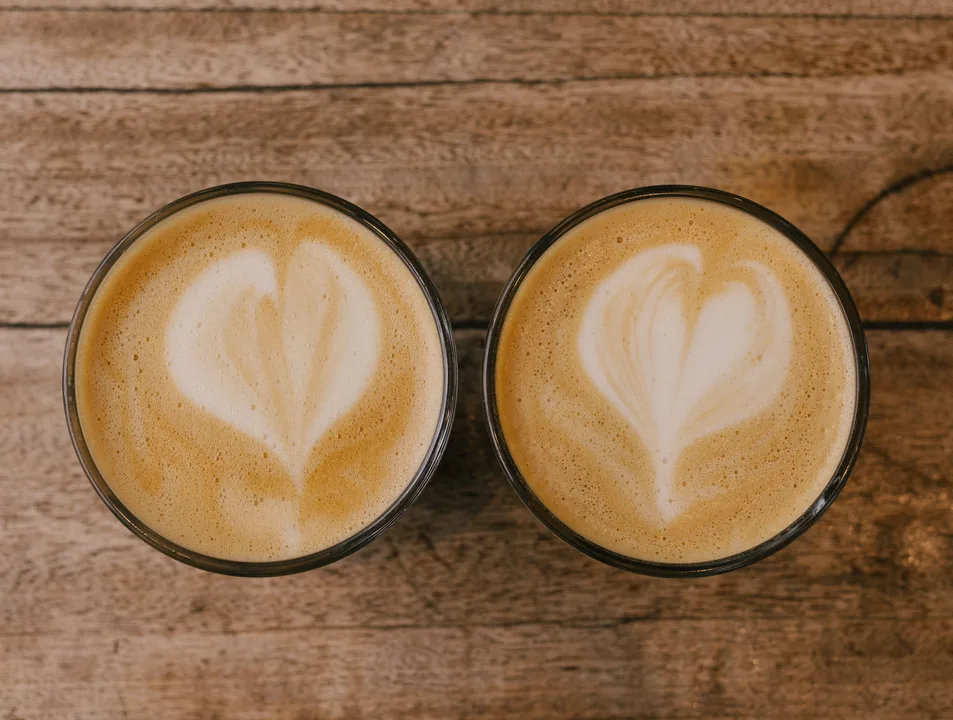
A cappuccino is built in thirds. One part espresso, about 30 ml (1 oz), meets one part steamed milk and one part foam, so a classic cup lands near 180 ml (6 oz) total. Nespresso’s guide to the drink describes the same 1:1:1 shape and treats the foam layer as the point of the recipe, not a decoration. The thirds rule is the anchor of any cappuccino vs latte recipe sheet.
The foam is the drink’s identity. Baristas stretch milk while steaming it, folding air in until the texture turns glossy and dense, then hold that foam over the milk so it keeps its shape. A dry cappuccino keeps more foam and less milk. A wet cappuccino drifts toward latte territory, and regulars order it by name.
Taste the cappuccino vs latte pair side by side and the first sip tells you everything. Foam-first feels lighter and airier, the coffee aroma arrives before the milk does, and the whole cup finishes faster than you expected.
What is a latte?
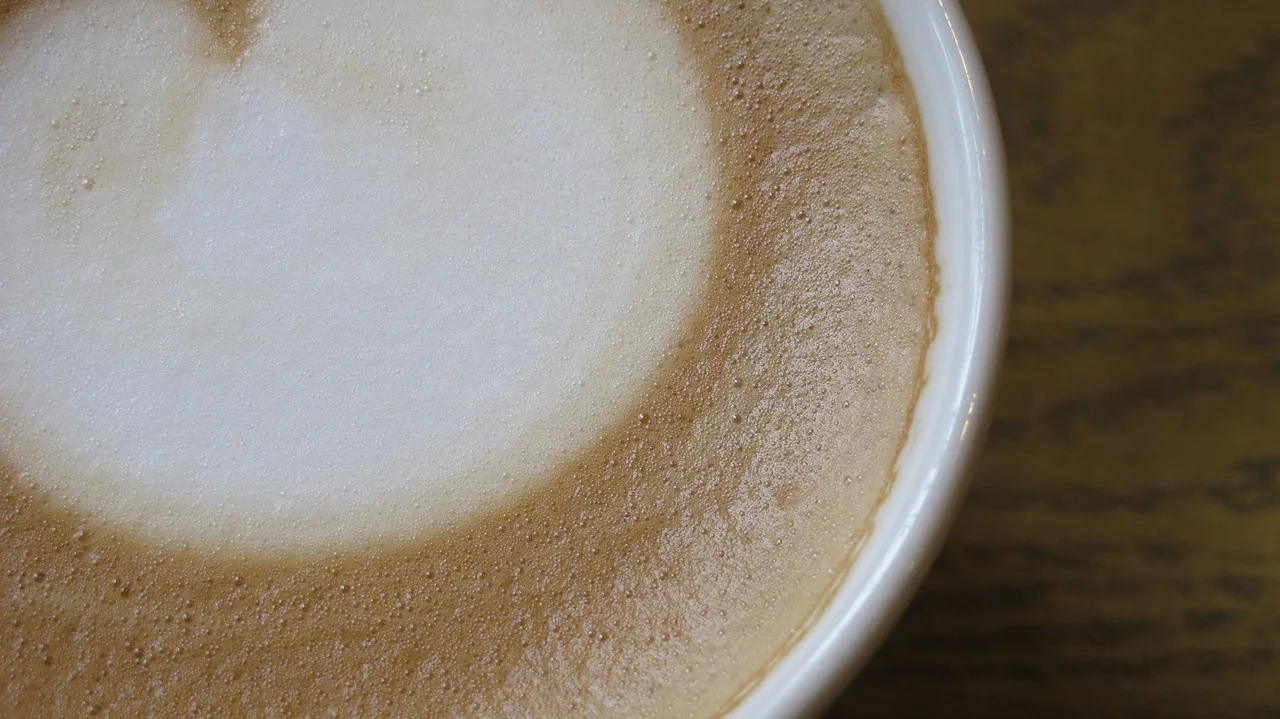
Latte is short for caffè e latte, coffee with milk, and it is the roomier drink of the pair. One or two shots of espresso sit under 180 to 300 ml (6 to 10 oz) of steamed milk, finished with a foam cap about 5 mm thick. Chains in the US pour 240 to 480 ml (8 to 16 oz) versions, while UK menus usually list 240 to 360 ml (8 to 12 oz) in milliliters.
Steamed milk turns sweeter as it heats. Natural sugars in milk become more noticeable around 60 C, so a latte tastes rounder and gentler than the same espresso drunk straight. That milk volume also softens bitterness, which is why most newcomers order a latte first and graduate later.
In any cappuccino vs latte lineup, the latte is where milk lovers land.
Every cappuccino vs latte tasting ends the same way in a café: the latte is the cup people order twice a day, because it drinks slow.
Cappuccino vs latte: the full comparison
The cappuccino vs latte table below holds the whole difference in one view. Volumes follow classic café recipes, and chain cups run larger in both the US and the UK.
| Cappuccino | Latte | |
|---|---|---|
| Espresso | 30 to 60 ml (1 to 2 oz) | 30 to 60 ml (1 to 2 oz) |
| Steamed milk | about 60 ml (2 oz) | 180 to 300 ml (6 to 10 oz) |
| Foam | about 60 ml (2 oz), thick layer | 5 to 10 mm thin cap |
| Classic serving | 180 ml (6 oz) | 240 to 360 ml (8 to 12 oz) |
| Chain serving | 240 to 360 ml (8 to 12 oz) | up to 480 ml (16 oz) |
| Milk share of cup | about one third | about two thirds |
| Texture | airy, foamy, quick | silky, milky, slow |
| Calories, whole milk, no sugar | about 45 kcal | about 190 kcal at 12 oz |
| Caffeine | 63 to 150 mg by shots | 63 to 150 mg by shots |
Cappuccino vs latte: how much milk does each hold?
In a classic 180 ml cappuccino the milk lands near 60 ml (2 oz). In a 360 ml latte it lands near 300 ml (10 oz). That fivefold gap in milk volume is the entire cappuccino vs latte debate condensed into one number, and it decides the calorie table further down before you taste anything.
US ordering leans on ounces, UK ordering prints milliliters, and the drinks themselves do not care. Ask for either measure in either country and the build stays identical: espresso first, milk ratio second, foam on top. Neither label changes the cappuccino vs latte recipe in the pitcher.
Why the foam changes the sip
Foam is milk with air held inside it, and it works as insulation. Heat stays trapped under the cap, so a latte stays warm through a long sit while the open surface of a cappuccino cools sooner. Between cappuccino and latte, texture decides half the preference before flavor gets a vote. Foam depth is the second half of every cappuccino vs latte argument.
A foam test at home takes one spoon: scoop the top layer and turn the spoon upside down. Thick microfoam sticks to the metal; thin foam slides straight off. Most barista guides steer steaming milk to 60 to 65 C, and past 70 C the milk tastes scalded no matter which drink you pour it into.
How many calories are in a cappuccino or latte?
Calories in this matchup come from milk alone, because espresso carries almost nothing, about 3 calories per shot. The USDA food data lists whole milk at 149 calories per 240 ml and skim milk at 83 per 240 ml, and after that the cappuccino vs latte calorie question is pure arithmetic. A cappuccino vs latte calorie check always ends at the milk jug, not the coffee grinder.
| Serving, whole milk, no sugar | Milk in the cup | Calories |
|---|---|---|
| Cappuccino 180 ml (6 oz) | about 60 ml | about 45 kcal |
| Latte 240 ml (8 oz) | about 180 ml | about 115 kcal |
| Latte 360 ml (12 oz) | about 300 ml | about 190 kcal |
| Skim-milk latte 360 ml (12 oz) | about 300 ml | about 110 kcal |
Two numbers move the cappuccino vs latte calorie gap: cup size and milk fat. A 6 oz cappuccino stays near 45 calories with whole milk, the same latte recipe at 12 oz lands near 190, and swapping the milk to skim drops that latte to roughly 110. Chains publish the same pattern in their official nutrition sheets, where an 8 oz latte reads about 100 calories.
Oat milk sits between those poles, usually 100 to 160 calories per 240 ml depending on the brand’s oil and sugar. Almond milk runs lower, and skim runs lowest of all. The choice moves a latte far more than it moves a cappuccino, because the latte carries three to five times the milk. For the cappuccino vs latte swap, the milk matters more than the roast.
Caffeine follows the shots, not the cup size
Both drinks pull from the same espresso, so caffeine follows the shot count. One 30 ml shot lands near 60 to 75 mg: USDA’s food data lists about 63 mg, and Starbucks publishes 75 mg per shot in its official nutrition documents. Order two shots into either drink and you double that figure.
A cappuccino vs latte caffeine comparison therefore ends in a tie at the counter. A 12 oz latte is not stronger than a 6 oz cappuccino unless someone pulls extra shots into it, and chains default to two shots once cups grow past the small sizes. The FDA puts the daily ceiling for healthy adults at 400 mg of caffeine, which leaves comfortable room for two or three milk drinks spread across a day. The cappuccino vs latte caffeine score stays level, shot for shot.
Tea drinkers get a lighter baseline: our guide to tea for sore throats covers brewed tea, which usually carries less caffeine than a single espresso shot and suits the afternoon slot where a second latte would not.
Which should you choose, a cappuccino or a latte?
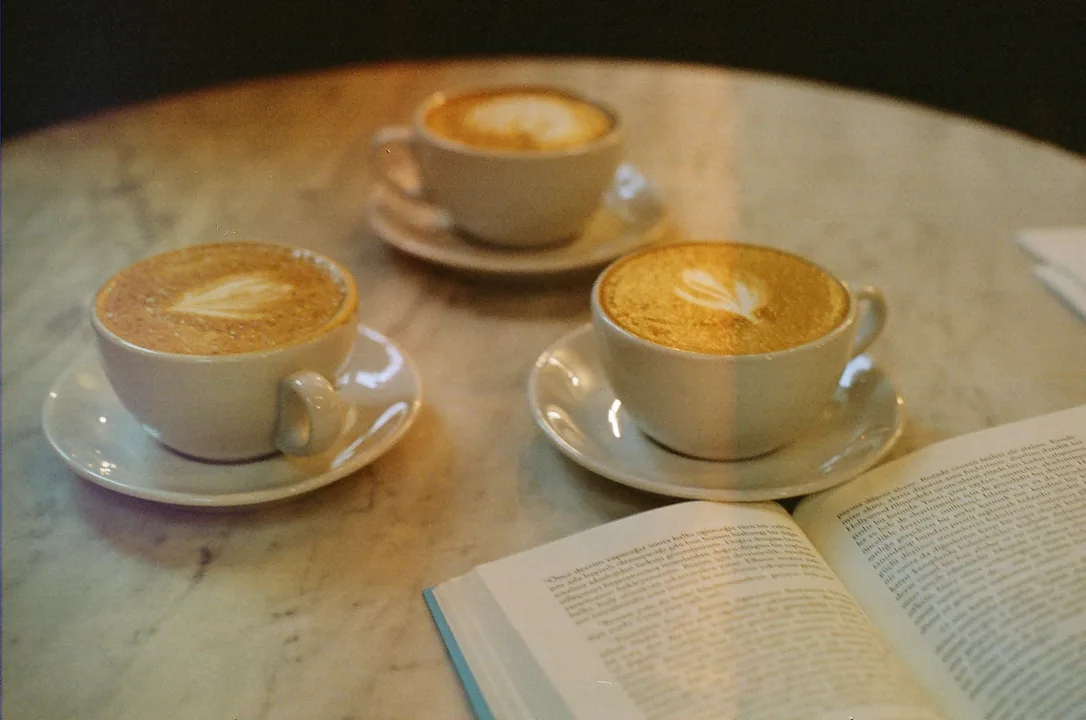
Order the cappuccino when you want the coffee to speak first. The foam layer keeps aromas close to your nose, the smaller volume means less milk overall, and the cup finishes fast while it is still hot. It suits the morning slot and anyone who wants the character of espresso with the edges softened, not erased. A cappuccino vs latte taste test at the counter takes ten seconds: sip the foam first.
Order the latte when you want a longer, gentler cup. More milk rounds the roast, the thin foam lets you drink straight through, and the bigger serving fits a slow afternoon at a desk. For the cappuccino vs latte daily-driver question, the latte wins on pace while the cappuccino wins on coffee character, and neither answer is wrong.
Keep both drinks clean at the counter with the same three moves on either side of the cappuccino vs latte menu:
- Ask for fresh dairy or a barista-blend plant milk.
- Skip the flavored syrup pumps and let the coffee carry the flavor.
- Keep sugar near zero unless you genuinely mean the cup as dessert.
UK cafés default to semi-skimmed milk, US menus default to whole milk and oat, and both build a better cup than a pump of vanilla syrup does.
Sweetness can come from real food instead of the pump. A couple of chopped Medjool dates stirred into warm milk make a dessert latte with the fiber left in, and they sit beside a plain cappuccino the way sugar used to. The cappuccino vs latte dessert habit survives without the syrup pump.
Cappuccino vs latte vs macchiato in one minute
A macchiato cuts the milk almost entirely: one or two shots of espresso marked with a spoonful of foam, roughly 15 to 30 ml of milk in total. The three drinks differ only in how much milk joins the espresso, and the cappuccino vs latte debate simply grows a third column here.
| Drink | Milk per serving | Foam | Calories, whole milk | Caffeine, 1 to 2 shots |
|---|---|---|---|---|
| Macchiato | 15 to 30 ml (0.5 to 1 oz) | one spoon | about 25 kcal | 63 to 150 mg |
| Cappuccino | about 60 ml (2 oz) | thick third | about 45 kcal | 63 to 150 mg |
| Latte | 180 to 300 ml (6 to 10 oz) | thin cap | 115 to 190 kcal | 63 to 150 mg |
The cappuccino vs latte vs macchiato question resolves after one sip of each. The macchiato drinks like strong coffee with a soft top, the cappuccino wraps that coffee in foam, and the latte stretches it into a long milky cup. Same espresso, three milk levels, one preference each. Nothing else separates the cappuccino vs latte vs macchiato trio.
So the milk was always the answer. Measure it in milliliters or ounces, count the shots, leave the syrup out, and the cappuccino vs latte choice stops being a debate and becomes a preference you can order in one word.
Share this guide
Send it to someone who needs it, or discuss it with AI.
Frequently asked questions
What is the difference between a cappuccino and a latte?
Milk volume and foam. A cappuccino pairs one shot of espresso with about 60 ml (2 oz) of steamed milk and an equal layer of thick foam, while a latte pairs the same shot with 180 to 300 ml (6 to 10 oz) of steamed milk under a thin foam cap.
Does a cappuccino or a latte have more caffeine?
Neither, if the shot count matches. Both drinks start from the same espresso, roughly 60 to 75 mg of caffeine per shot, so a 12 oz latte is only stronger when the barista pulls extra shots into it.
Which is healthier, a cappuccino or a latte?
The smaller cappuccino usually wins on calories because it holds less milk: about 45 calories with whole milk at a classic 6 oz serving, against roughly 190 calories for a 12 oz whole-milk latte. Milk choice moves the number more than the drink name does.
How many calories are in a cappuccino vs latte?
Using USDA figures for whole milk (149 calories per 240 ml), a classic 6 oz cappuccino lands near 45 calories, an 8 oz latte near 115, and a 12 oz latte near 190, all without sugar. Skim milk drops the 12 oz latte to roughly 110.
Is a latte stronger than a cappuccino?
Not by caffeine or roast, no. The latte tastes milder because more milk dilutes the espresso, while the cappuccino feels stronger from the foam and smaller pour, even when both carry identical shots.