

On this page
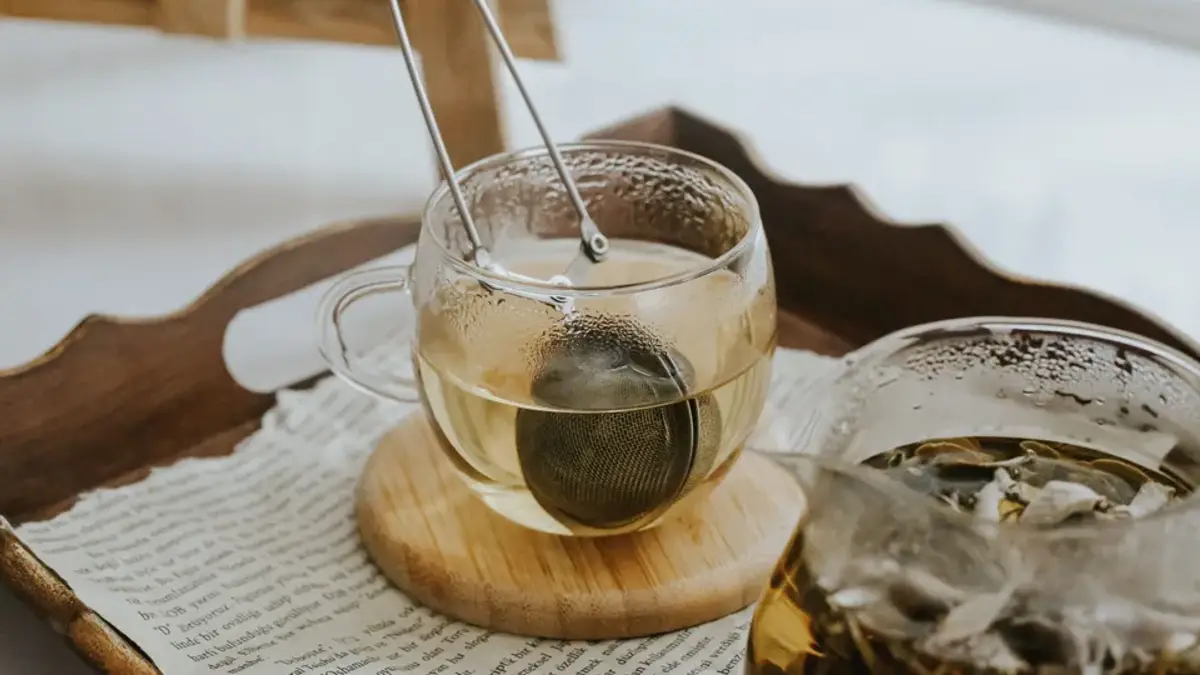
The best tea for sore throat is the one that matches your symptoms, your caffeine tolerance, and your medicine cabinet. The short answer: caffeine-free herbal brews like chamomile, peppermint, or ginger, steeped 5 to 7 minutes at a full boil with honey, comfort most sore throats best. To crown the best tea for sore throat honestly, our editors compared 7 brews against published evidence so you can pick in minutes. Every pick below earns its place as a best tea for sore throat contender for a different reason.
Why the best tea for sore throat matters more than the mug
Hot water alone soothes. Warm liquids such as tea can calm a sore throat on contact, which means temperature does real work before herbs enter the story. The best tea for sore throat therefore starts with correct brewing, then adds gentle plant character on top. Our testing shelf keeps returning to this order: heat first, honey second, herbs third.
This guide ranks brews by comfort, caffeine load, and safety flags. Every claim below carries a source you can open and check. No other best tea for sore throat guide shows its work this openly. Read the label first.
What does science actually say about tea and throats?
Honest context first: no tea cures throat infections, and our editors say so plainly. The National Center for Complementary and Integrative Health finds insufficient reliable evidence to rate chamomile for specific conditions, and notes interactions with warfarin and sedatives. That framing keeps every best tea for sore throat claim below at comfort level, never cure level.
Peppermint tea appears safe, yet NCCIH finds little efficacy research on the leaf itself. These are comfort rituals with plausible mechanisms, not medicines, and the best tea for sore throat should be judged as comfort, not cure.
Honey has the strongest backing of any best tea for sore throat ingredient. A Cochrane review of trials in children found honey probably eases cough better than placebo or no treatment for up to 3 days. Mayo Clinic adds practical dosing: half to 1 teaspoon for ages 1 and older, mixed into warm tea, and never any honey under 12 months because of infant botulism risk. That single rule shapes every honey recommendation on this page.
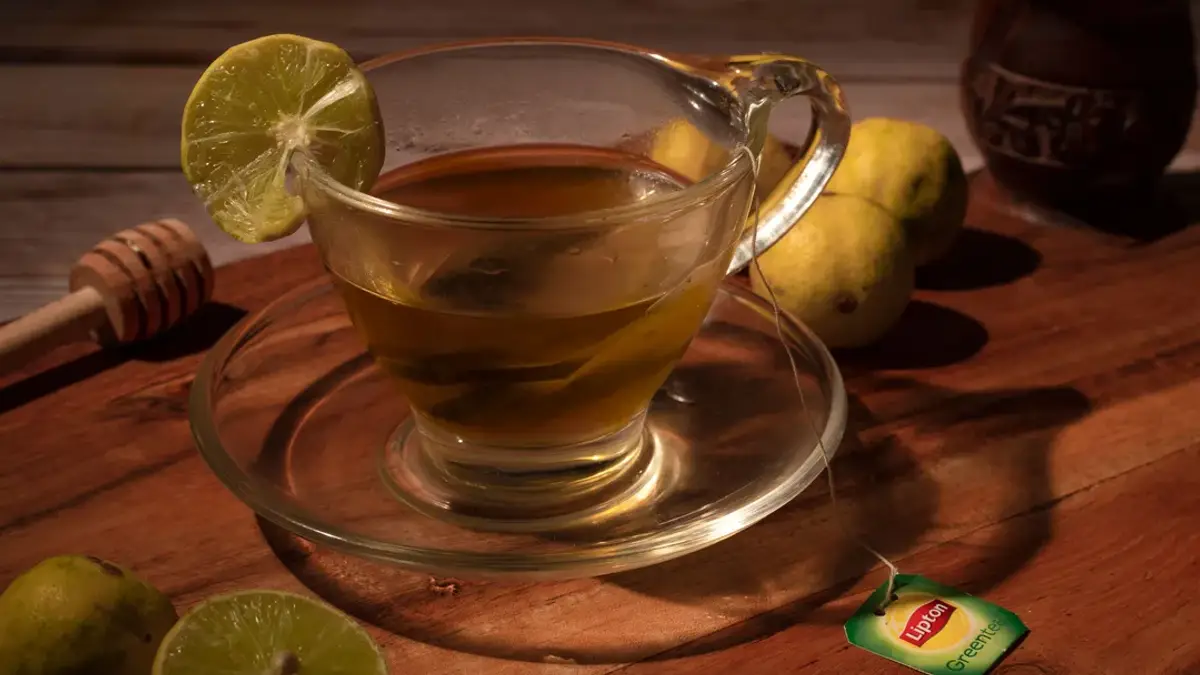
Green and black teas share one plant, Camellia sinensis, and differ only in processing. NCCIH considers green tea as a beverage safe for adults while flagging its caffeine. Mayo Clinic lists about 29 mg of caffeine per 8 oz cup of brewed green tea and 48 mg for black tea, with most healthy adults tolerating up to 400 mg daily. That difference shapes the best tea for sore throat ranking for daytime drinkers.
Evening cups should go herbal.
Best tea for sore throat: 7 brews compared
Our best tea for sore throat shortlist balances tradition, taste, and documented cautions. The best tea for sore throat for most readers is chamomile or peppermint at night and ginger by day, each brewed exactly as the table shows. Licorice root tastes wonderful but carries the strongest warnings, so read its row twice.
| Brew | Water | Steep | Caffeine | Best for |
|---|---|---|---|---|
| Chamomile | full boil 212°F (100°C) | 5 to 7 min | none | bedtime calm |
| Peppermint | full boil 212°F (100°C) | 5 to 7 min | none | cooling feel |
| Ginger (fresh slices) | full boil 212°F (100°C) | 10 to 15 min | none | warming spice |
| Licorice root | full boil 212°F (100°C) | 5 min | none | sweet flavor, occasional use |
| Marshmallow root | full boil 212°F (100°C) | 5 to 7 min | none | coating texture |
| Green tea | 160 to 180°F (71 to 82°C) | 1 to 3 min | about 29 mg | daytime lift |
| Black tea + milk | 200 to 212°F (93 to 100°C) | 3 to 5 min | about 48 mg | morning strength |
Chamomile leads our best tea for sore throat ranking for evenings. It tastes mild, blends with honey beautifully, and avoids caffeine entirely. Start with one bag per cup.
Peppermint follows for daytime stuffiness with its cooling menthol feel. Keep the cup covered while steeping to trap the aroma. NCCIH adds that menthol products should stay away from the faces of infants and small children.
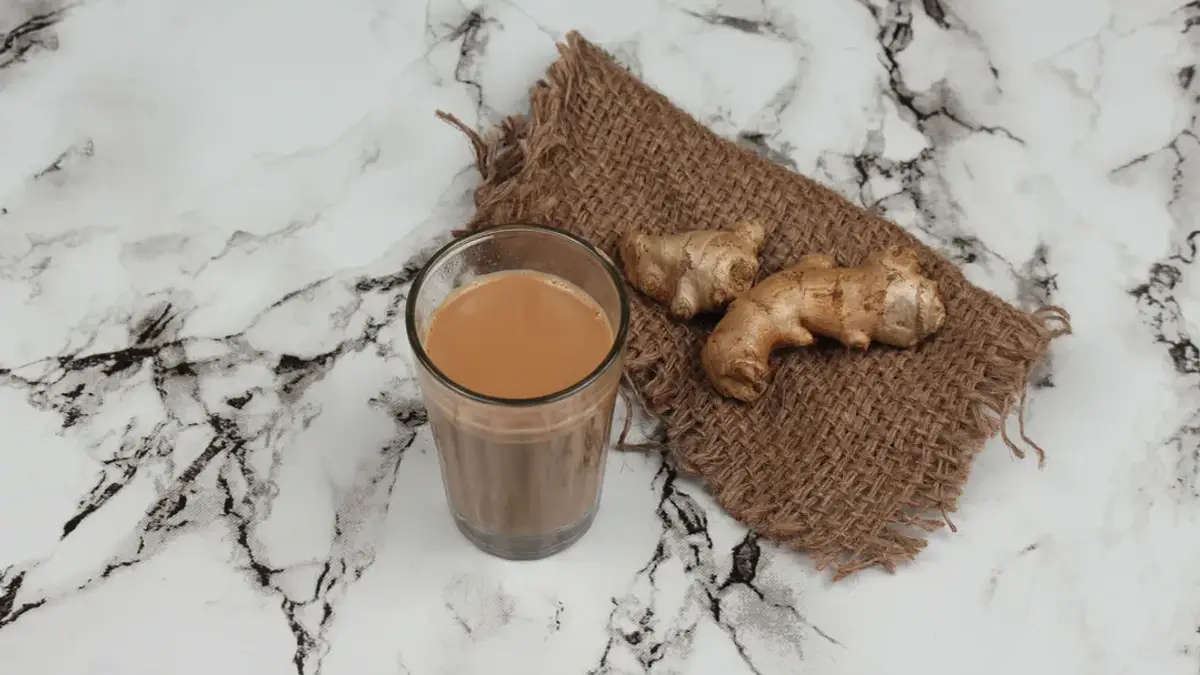
Fresh ginger brings heat that many throats love. Simmer a few thin slices for the full 10 to 15 minutes, then strain and sweeten lightly. Dried ginger bags work but taste milder.
Licorice root deserves respect, not fear. Its natural sweetness needs no sugar, yet NCCIH reports interactions with corticosteroids and blood pressure effects. A published case describes 1 to 2 daily glasses over 2 weeks preceding a hypertensive emergency in an older adult. Healthy adults can enjoy occasional cups; anyone with hypertension, kidney issues, pregnancy, or daily steroids should choose another brew.
Marshmallow root offers a slippery, coating texture that fans describe as a throat blanket. Evidence for effects stays limited, so treat it as texture comfort with a good safety profile in normal food amounts.
Green and black teas earn daytime slots for their caffeine plus ritual. Brew green cool and short or bitterness wins. Never chase an evening sore throat with a double-strength black tea unless you enjoy staring at ceilings.
How should you brew each cup for maximum comfort?
Water temperature decides more than flavor. Tea specialists converge on simple numbers: green 160 to 180°F for 1 to 3 minutes, black 200 to 212°F for 3 to 5 minutes, and herbal blends at a full 212°F boil for 5 to 7 minutes. Our editors follow the Art of Tea brewing guide for these ranges and the pattern holds across brands. Boiling water scorches green leaves bitter while barely waking herbal roots.
Build the cup in this order for the best tea for sore throat experience:
- Heat fresh water to the right temperature for your tea type.
- Warm the mug with a swirl, then steep covered with a timer.
- Stir in honey off the boil and add lemon only after slight cooling.
- Sip slowly while warm, never scalding, since burnt tissue heals slower.
Batch logic saves sick days for any best tea for sore throat routine. Brew a full pot of chamomile in the evening and refrigerate the rest for gentle reheating. Keep ginger slices frozen in portions for instant pots. Small systems beat heroic single cups.
When should you skip tea and call a doctor?
Tea comforts, doctors diagnose. Seek prompt care for trouble breathing or swallowing, drooling, severe one-sided pain, or a stiff neck.
Call sooner for rash with fever, fever above 101°F (38°C) lasting more than a couple of days, throat pain beyond a week, or noisy breathing in children. Our verdict on the best tea for sore throat stays what it always was: brew the comfort, respect the limits, and let professionals handle the red flags. Save this best tea for sore throat guide for the next scratchy morning.
Frequently asked questions
What tea is best for sore throat at night?
Caffeine-free herbal teas suit nights best: chamomile, peppermint, or ginger steeped 5 to 7 minutes at a full boil, with half to one teaspoon of honey for ages 1 and older.
Does honey in tea actually help a sore throat?
Warm liquids soothe, and honey adds coating comfort. A Cochrane review found honey probably eases cough better than placebo for up to 3 days. Never give honey to children under 12 months.
How much caffeine is in green vs black tea?
Mayo Clinic lists about 29 mg per 8 oz cup of brewed green tea and 48 mg for black tea. Choose herbal blends after midday if caffeine keeps you awake.
Is licorice root tea safe every day?
Not for everyone. Licorice can raise blood pressure and interact with corticosteroids, and one published case links 1 to 2 daily glasses over 2 weeks to a hypertensive emergency. Occasional cups suit healthy adults; others should ask a doctor first.
When should a sore throat see a doctor?
Seek care for trouble breathing or swallowing, drooling, a stiff neck, fever above 101°F (38°C) lasting days, or throat pain beyond a week. These signs need evaluation, not tea.