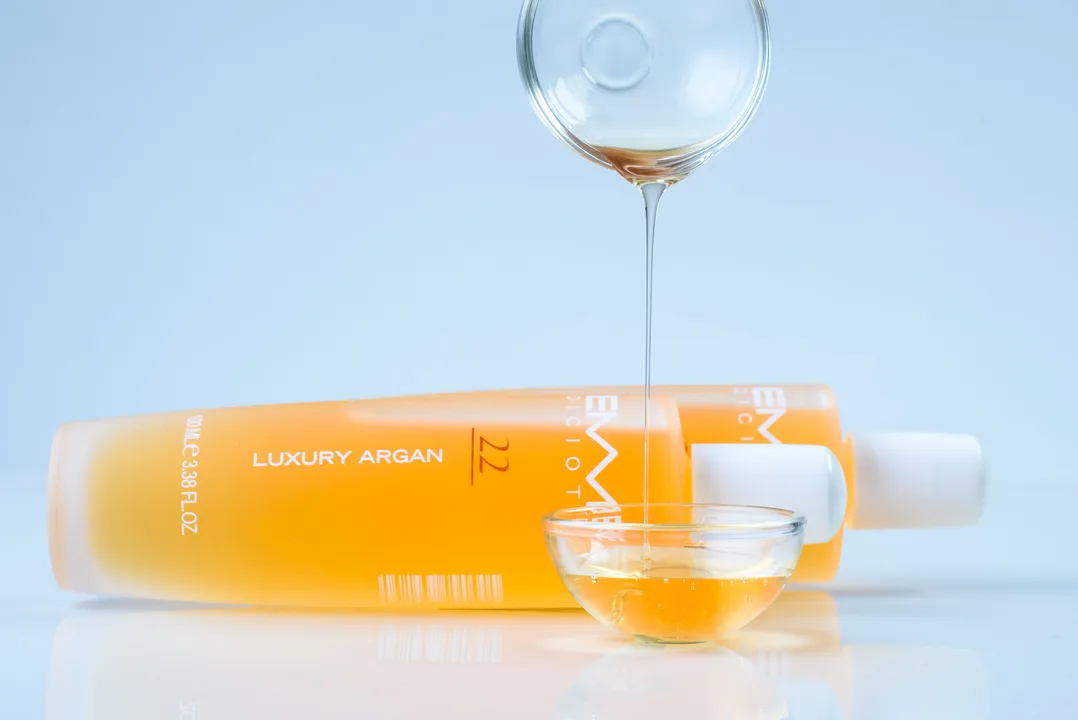
Argan oil for damaged hair has a loyal following, and the short answer is simple. This Moroccan kernel oil smooths roughness and adds shine from the first use, while truly split ends still need scissors, and honest routines say so upfront.
Why argan oil for damaged hair works cosmetically
Argan kernels yield an oil rich in oleic and linoleic acids plus tocopherols. Those lipids coat the cuticle, reduce friction, and calm frizz after heat styling. Composition data sits in references like the NIH ingredient library for curious readers. For scalp-first care instead, read our jojoba routine, and for growth folklore versus fact see the rosemary ritual.
Color-treated hair drinks it fastest. Start with half doses there.
The cosmetic logic is straightforward and our editors keep recommending the same test. Argan oil for damaged hair improves slip, shine, and manageability without changing the hair shaft itself. That distinction matters because marketing often blurs coating with rebuilding, and your wallet deserves the difference.
When shopping for argan oil for damaged hair, demand cold-pressed single-origin bottles with harvest detail on the label. Start with small bottles. That is why argan oil for damaged hair belongs on lengths, never on roots.
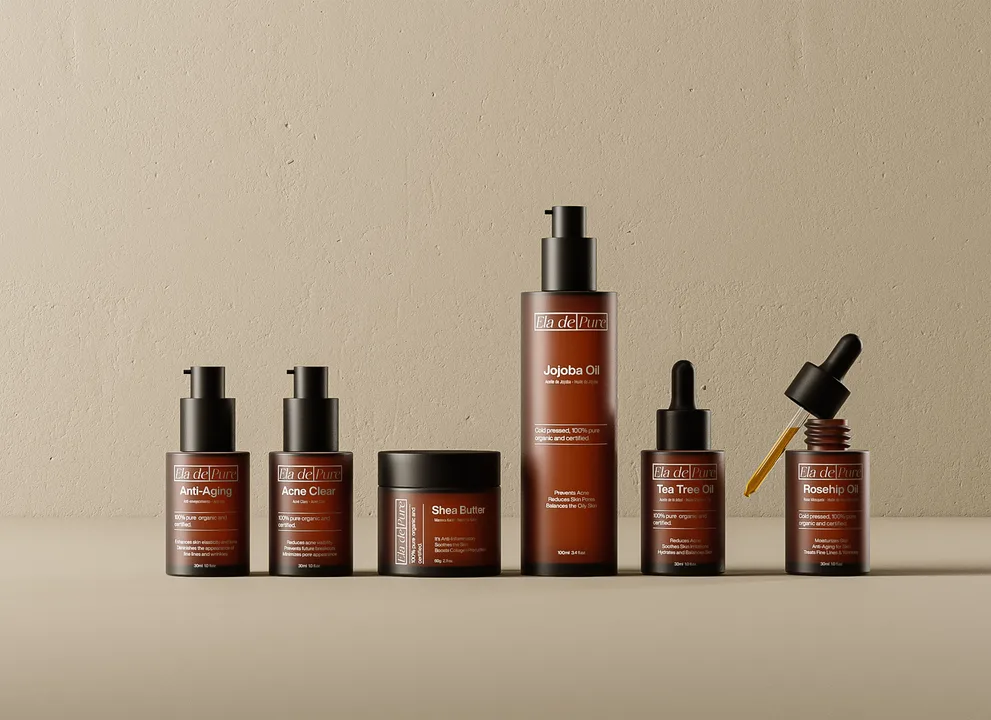
Vague blends hide behind perfume and silicones, so keep these rules taped inside your cabinet:
- One ingredient: Argania spinosa kernel oil, nothing else listed.
- Cold-pressed and stored in dark glass between 30 and 100 ml.
- A harvest year or cooperative name printed on the back.
- No miracle wording anywhere on the front label.
The repair ritual, step by step
Towel-dry hair until damp, never dripping. When applying argan oil for damaged hair, damp strands absorb the lipids more evenly than soaking wet ones. Rub 2 to 3 drops between palms until nearly invisible, then glide over mid-lengths and ends only.
Blow-dry on medium heat or air-dry, then add half a drop on any frizzy halo. Cool air sets the style. Repeat 2 to 3 times weekly, and clarify once a month so coating never builds up.
Heat users should lower dryer temperature by one notch and switch to a wide-tooth comb on damp hair. Less heat saves ends. Readers reviewing argan oil for damaged hair alongside scalp oils often compare the jojoba method next. This section also holds our demo layout button for review so the design team can inspect call-to-action styling in place.
For full-body moisture after showering, readers finishing argan oil for damaged hair routines often continue downward with our coconut guide. Sensitive faces get their own gentle plan in the oatmeal article.
Can any oil truly rebuild hair?
Argan oil for damaged hair improves feel, shine, and manageability from the first use, and that cosmetic win is genuinely worth paying for. Realistic users of argan oil for damaged hair report easier styling and fewer snapped ends between trims. It cannot rebuild keratin bonds or fuse splits, and lipid science indexed on PubMed draws that line clearly. Keep expectations cosmetic and trim every 8 to 12 weeks, and satisfaction follows naturally.
Compare scalp-first care in the jojoba guide before building your shelf, since ends and roots want different bottles. Small bottles teach faster. A 30 ml trial reveals your true usage rate.
Patience plus trimming beats any bottle of argan oil for damaged hair, and our testing shelf keeps proving it season after season. Trim on schedule. A dusting every 8 to 12 weeks keeps the hemline thick while the oil keeps the surface glossy.
| Concern | Argan answer | Limit |
|---|---|---|
| Frizz | smooths cuticle | needs reapplication |
| Split ends | seals appearance | trim still required |
| Shine | immediate glow | clarify monthly |
This is a temporary design-preview article and will be removed before launch.
Frequently asked questions
Does argan oil repair split ends permanently?
No oil fuses split ends back together. Argan oil for damaged hair smooths and seals the appearance of ends so trimming lasts longer between cuts.
How much argan oil for medium hair?
Two to three drops on damp lengths is enough for medium hair. Add one more drop only on visibly dry ends.
Is Moroccan argan oil better than blends?
Cold-pressed single-origin oil with a clear harvest label beats vague blends. Check the ingredient list for one item: Argania spinosa kernel oil.
Can argan oil weigh fine hair down?
Yes, if overapplied. Fine hair should use one drop on ends only, never on the scalp, and prefer lighter routines like the jojoba scalp method.